The design center is one of the most exciting — and most stressful — parts of buying new construction. It's where you choose your countertops, cabinets, flooring, fixtures, and finishes. It's also where the budget can spiral fast if you're not prepared.
Walk in without a plan and you'll spend three hours surrounded by beautiful samples, making $500 and $5,000 decisions in rapid succession while a design consultant guides you through room after room. You'll walk out dazed, slightly thrilled, and not entirely sure how you agreed to that kitchen backsplash. Then you do the math.
Here's what you need to know going in: upgrades are where the most variety — and the most flexibility — exists. Many are worth every penny. But walking in without a plan is how people end up $40,000 over budget on a Tuesday afternoon.
What the Appointment Actually Looks Like
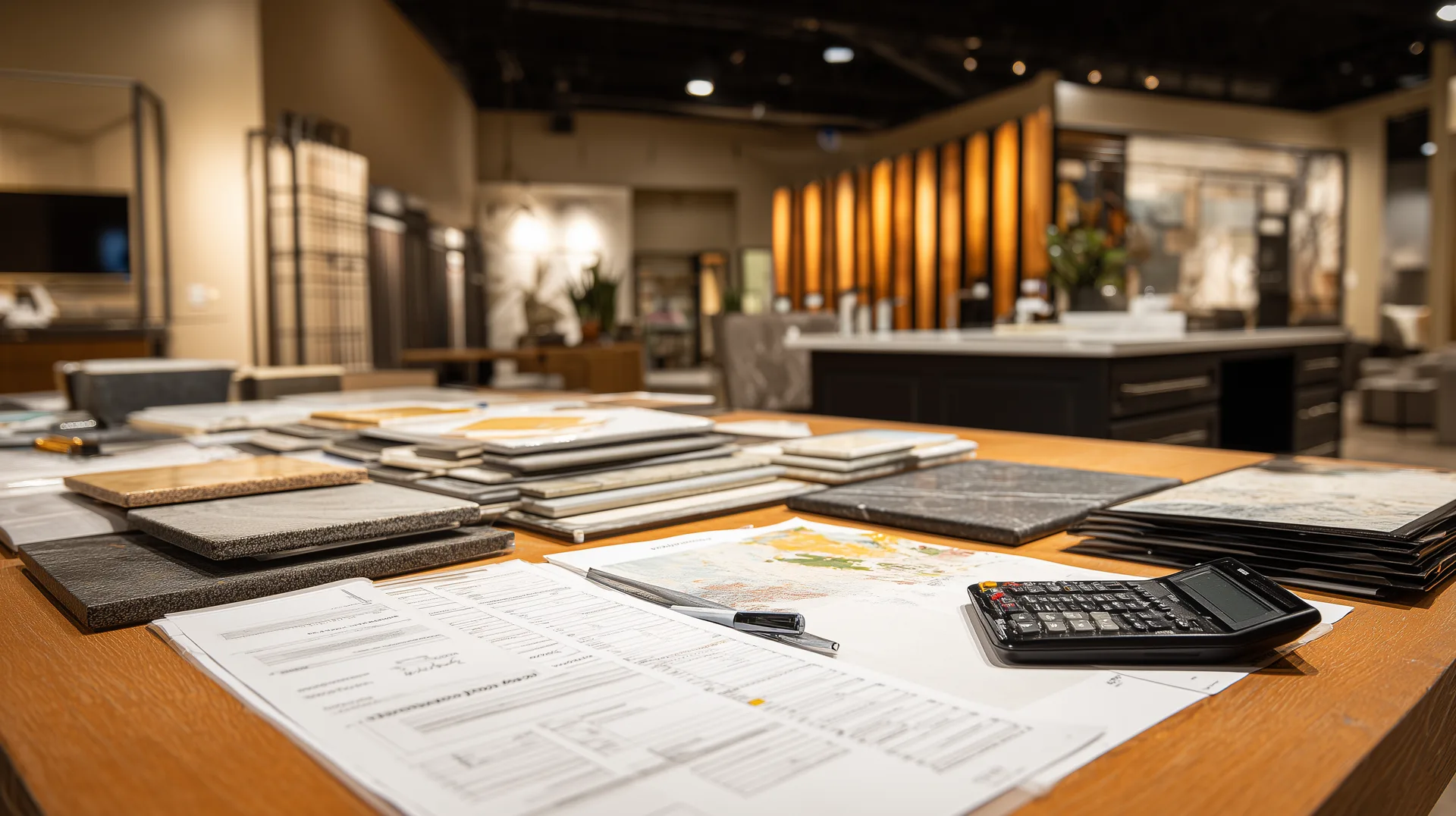
Most design center appointments run two to four hours, sometimes longer for larger floor plans. You'll be assigned a design consultant — a trained professional who knows every product in the catalog and will walk you through every room. They are genuinely helpful, and their goal is for you to love your home. But the system is designed to make spending feel easy.
The appointment typically moves room by room: kitchen first, then bathrooms, then flooring and paint for the whole house. Each selection triggers adjacent decisions. You change the cabinet color and the countertop needs to change too. The new countertop looks better with upgraded hardware. Before you know it, you've added $12,000 in the kitchen alone and you haven't touched the master bath.
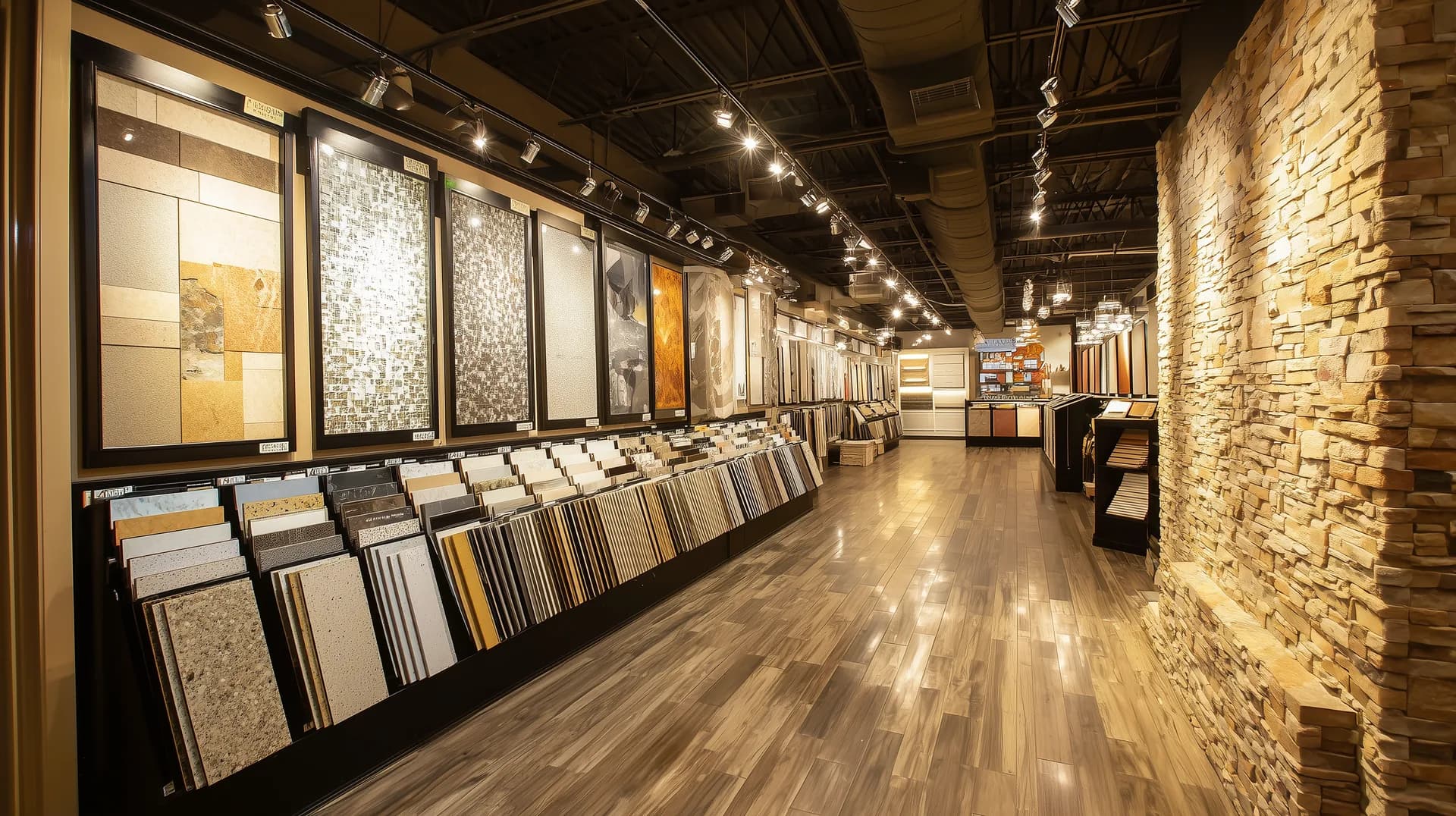
Countertop and cabinet samples cover every wall. Flooring tiles are laid in large display grids across the floor. The lighting is flattering and specifically designed to make materials look their best. Everything looks better in the showroom than it will look at home — that's not manipulation, it's good retail. Go in with eyes open.
How to Walk In Prepared

Before your appointment, ask your builder for the standard features list. Know what's already included. You might be surprised — many builders include granite or quartz countertops, stainless appliances, and decent flooring in the base price. The upgrades are on top of that already-solid baseline.
Set a firm upgrade budget before your appointment. Not a ballpark — an actual number. Write it on a sticky note and put it on your folder. When the design consultant shows you the waterfall island option that costs $8,000 more, you'll need that number staring back at you.
Bring a printed list of your priorities: must-have upgrades in one column, nice-to-haves in another. When the nice-to-have comes up, you can say "not today" without the friction of deciding in the moment. That discipline is worth thousands of dollars.
Take photos of model homes you love before your appointment. Most builders' models feature every upgrade on the menu — that's the point. But knowing which finishes specifically caught your eye helps you spend deliberately rather than impulsively.
What's Worth Spending On
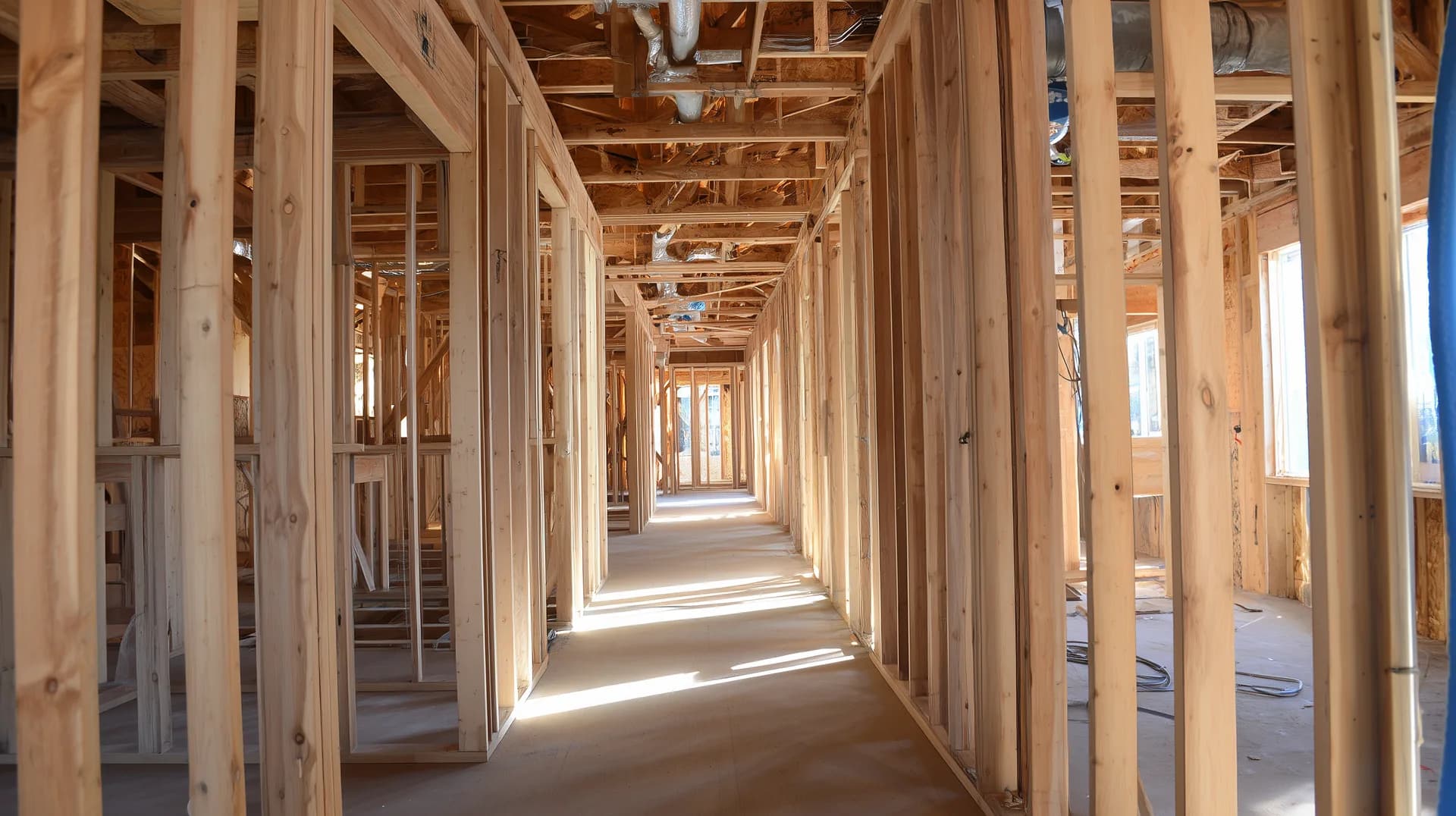
Focus your budget on things you can't easily change later. Electrical outlet placement, plumbing rough-ins for a future bathroom, and structural options like a covered patio extension — these are nearly impossible to add after the walls go up. If you think you might want an outdoor kitchen hookup eventually, add the gas line now. It costs a few hundred dollars during construction and several thousand after closing.
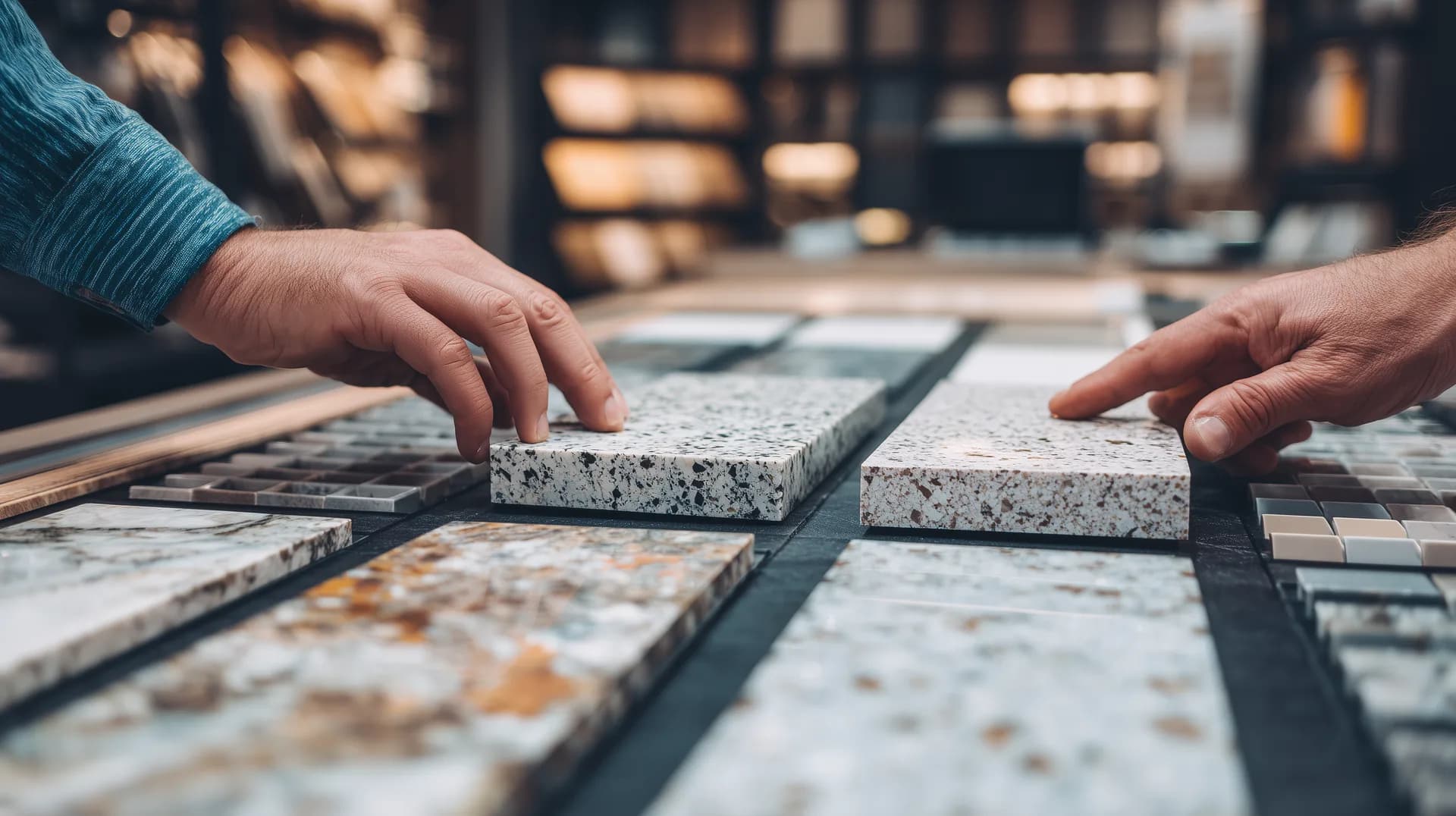
Kitchen countertops and cabinetry upgrade well. The kitchen is the most scrutinized room when you eventually sell, and buyers notice the finishes. A quartz countertop upgrade that costs $3,000 at the design center might cost $6,000–8,000 to replace after the fact. Primary bathroom tile is another high-impact upgrade that's expensive to change later because it's set in mortar. If you're going to spend in any bathroom, spend there.
What to Skip
Paint colors, light fixtures, and cabinet hardware can all be changed yourself for a fraction of the design center price. Upgraded carpet padding is typically marked up significantly and can be matched by a local flooring company post-closing. Decorative backsplash tile is easier to add later than most buyers think — and you'll have a better sense of what you actually want after living in the kitchen for a year.
What If You and Your Partner Disagree
It happens in almost every appointment. One of you wants the darker cabinets, the other wants white. One of you sees the waterfall island as a must-have, the other sees it as a budget-buster. The design consultant has seen this a thousand times — they're good at helping you find the middle ground.
The best move: decide your non-negotiables before the appointment, separately. Write them down. Compare lists before you walk in, not during the appointment when the pressure is on and the clock is running. Anything that's on both lists is locked. Everything else is a conversation. Having that framework saves time, saves arguments, and keeps the appointment productive.
Can You Change Your Selections Later
Usually, yes — up to a point. Most builders allow changes before construction reaches the relevant stage. You can typically swap a countertop color before the cabinets are installed, or change a tile selection before the bathroom is tiled. After that stage passes, changes get expensive or impossible.
Ask your sales rep for the specific cutoff dates at the time of your appointment. Get them in writing. Some builders charge a change order fee — typically $250–500 — after selections are locked. Others are more flexible. Either way, don't let the fear of choosing wrong paralyze you at the appointment. You likely have a window, but it's not infinite.
The best mindset for the design center: decide which finishes affect daily experience and which ones just looked good under showroom lighting. The finishes you touch every day — the countertop, the cabinet hardware, the master shower tile — are worth thoughtful investment. The ones you photograph for Instagram once and then stop noticing are usually not.
One more thing: ask about incentives. Many builders offer design center credits as part of their current promotions, especially on inventory homes. If you have an agent, they should know the current offers. Either way, ask the sales rep directly — incentive programs change frequently and the sales team always has the latest details.