The most common question first-time new construction buyers ask: "Why would I pay for an inspection on a house that was just built?"
Great question. A new home goes through multiple inspections during construction — city code inspections at every stage, plus the builder's own quality checks. But an independent inspector brings a different perspective. They spend two to three hours looking at your specific home from a buyer's point of view, checking things that routine inspections are not designed to catch.
What Independent Inspectors Look For
Even in well-built homes, an inspector may find minor items worth addressing — soil grading that could be improved around the foundation, HVAC duct connections that could be sealed tighter for better efficiency, or an electrical outlet that did not get wired into its circuit. These are small things that happen in any construction project, and they are easy to fix when caught early. That is the whole point — catching minor items before they become bigger ones.
The Two-Inspection Approach
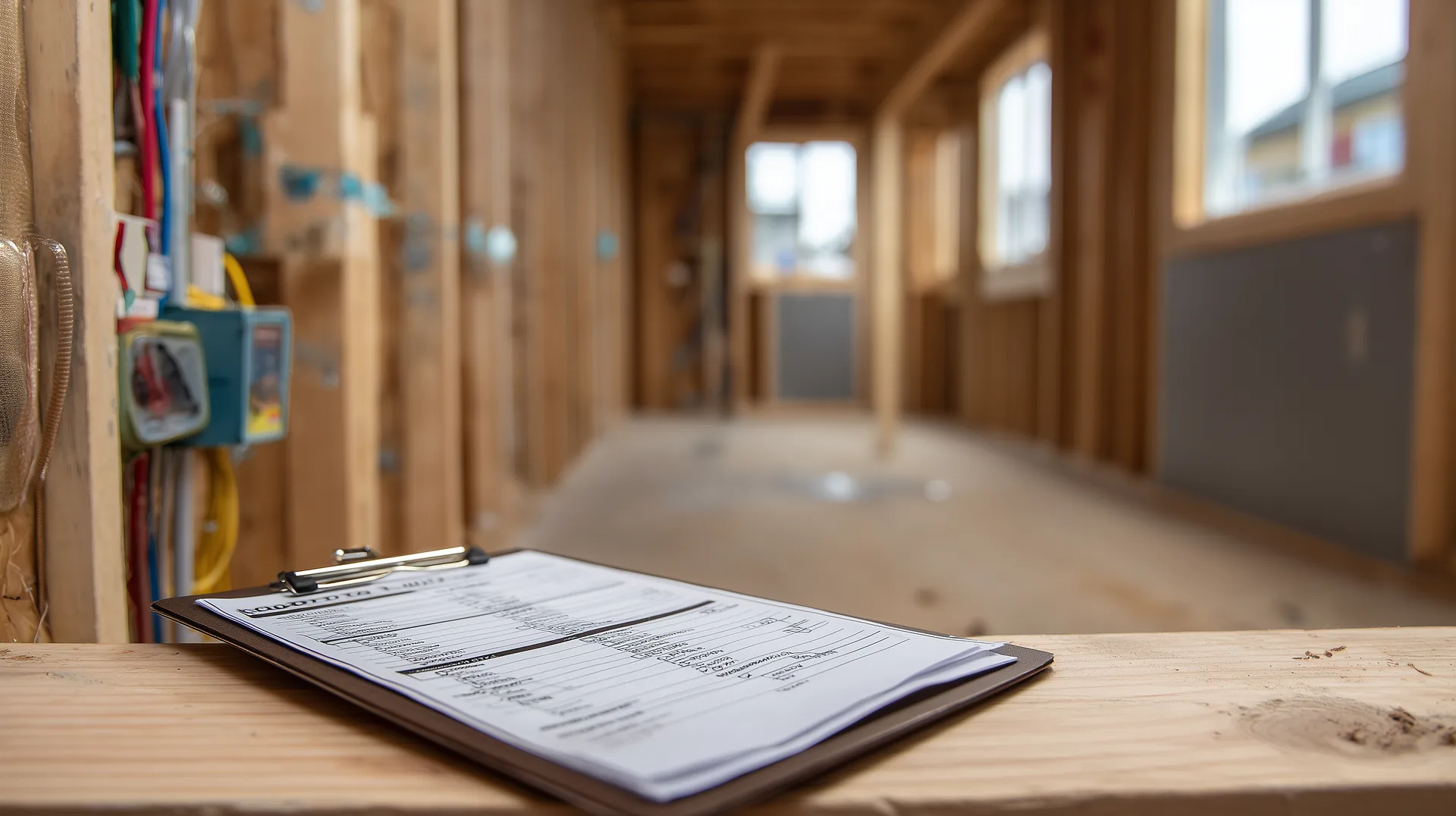
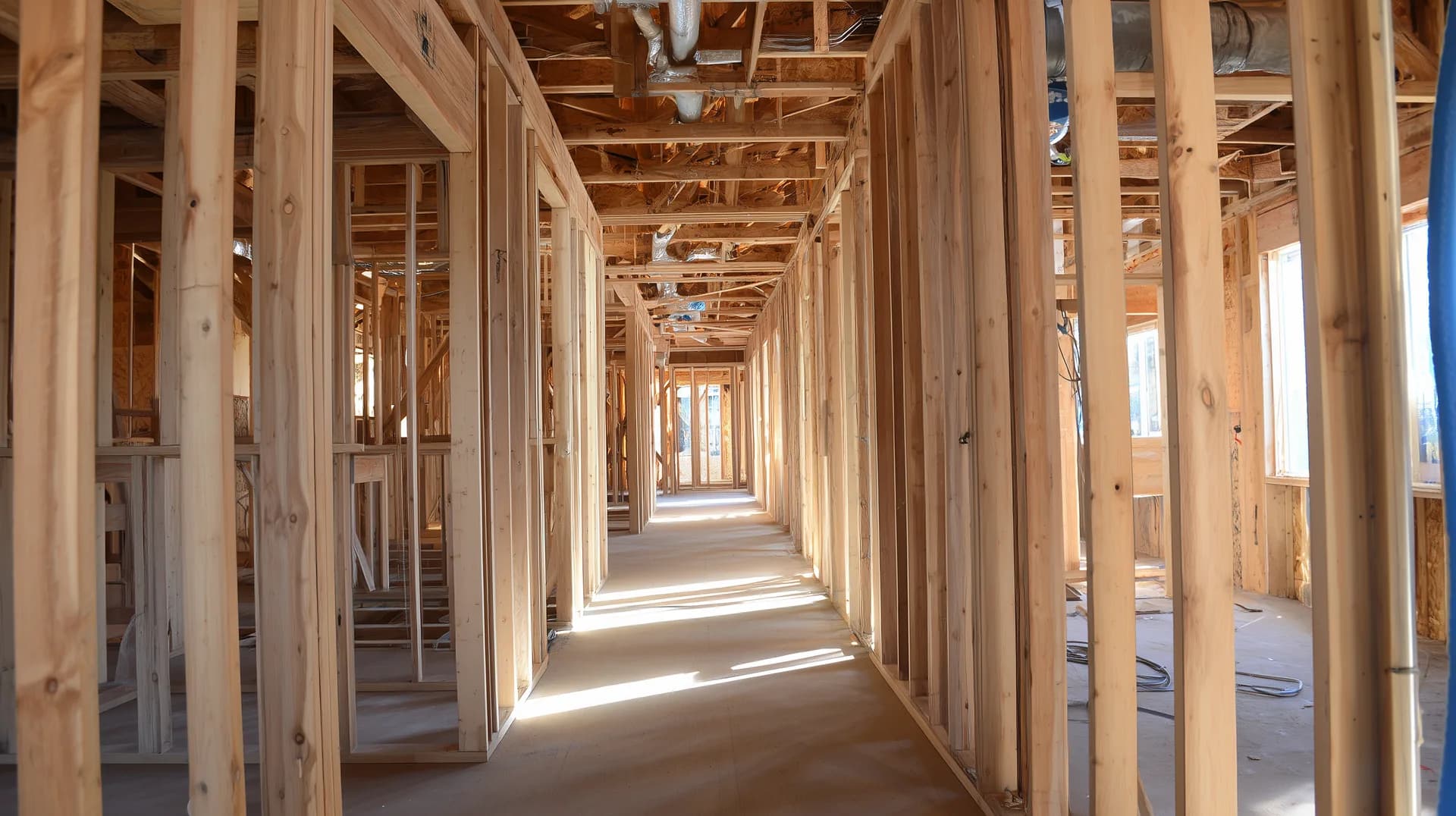
The pre-drywall inspection is the most valuable inspection you can get on a new home. It happens after framing, plumbing, and electrical are roughed in but before the drywall goes up. This is your only window to see the bones of the house.
During a pre-drywall inspection, your inspector checks framing connections at corners and at the roofline, verifies plumbing rough-in connections and drainage slopes, examines HVAC duct routing and sealing at every joint, and reviews the electrical panel and outlet circuit layouts. Problems found here can be fixed before the drywall covers them. The same problems found after closing typically require opening walls — at your expense.
The second is your standard pre-closing inspection, scheduled a few days before closing. This checks everything visible and functional: appliances, fixtures, grading around the foundation, roofing, paint, flooring, doors, windows, garage door operation, every outlet, and every faucet and fixture in the house. It's your last chance to document issues before you own them.
What to Expect from the Builder
Most builders are fine with inspections. Some will limit when you can schedule the pre-drywall walk — typically only during a specific framing window that lasts a week or two. Coordinate with your builder's customer care team well in advance. Your agent, if you have one, should be managing this timing so the window doesn't pass without you.
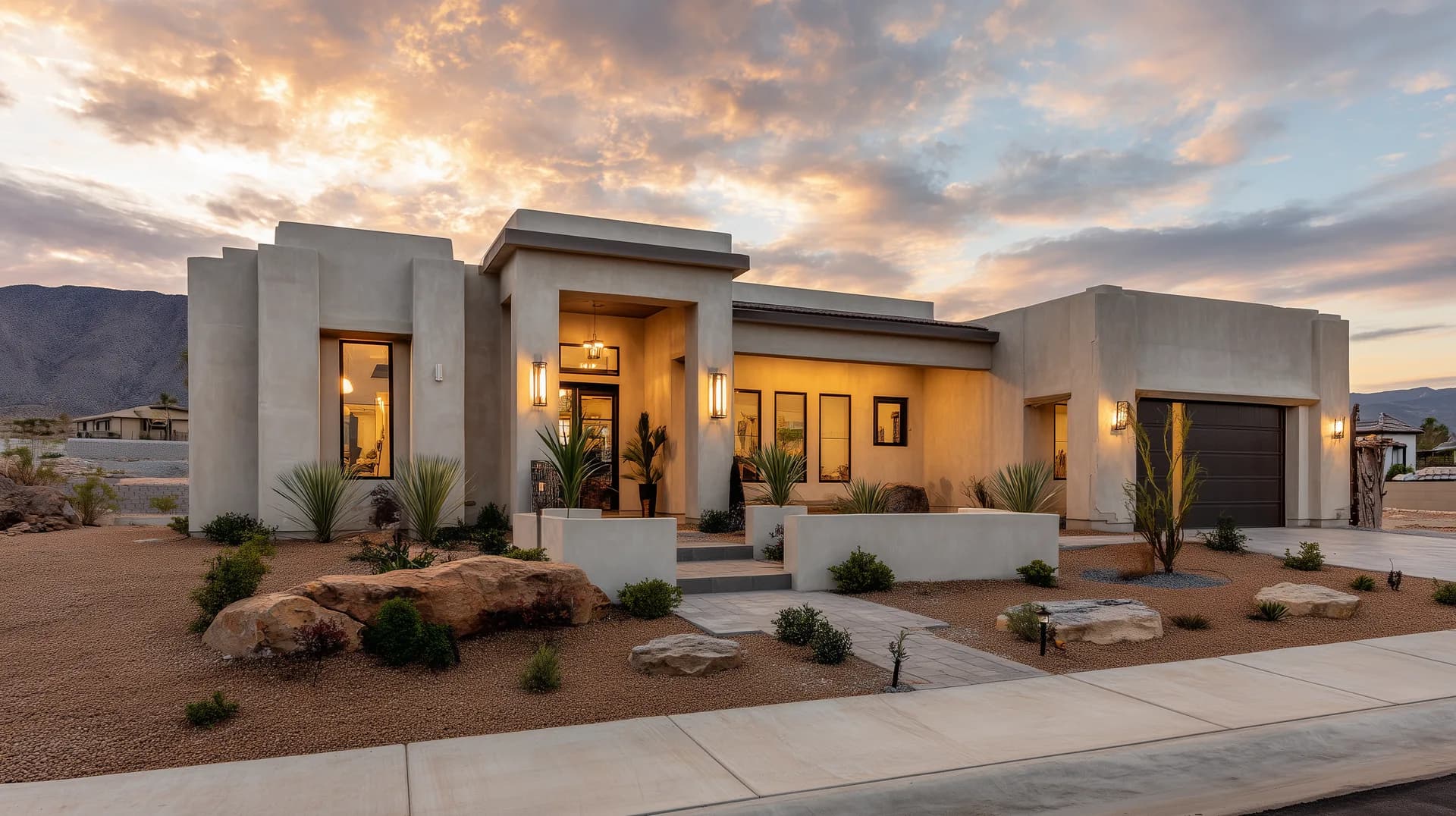
Most builders welcome independent inspections — they are confident in their work and they know that a satisfied, informed buyer is a better long-term customer. Just coordinate with the builder's customer care team well in advance so you do not miss the framing window.
After the pre-closing inspection, your inspector will produce a written report. Bring that report to your final walkthrough with the builder. Items the inspector flags can be added to your punch list and addressed before closing — or formally documented as warranty items to be resolved after move-in.
How to Find the Right Inspector
Not all inspectors have new construction experience. Many primarily work with older resale homes and are trained to look for aging systems, moisture intrusion, and deferred maintenance. New construction requires a different eye: they need to know what proper framing connections look like, how to evaluate HVAC duct sealing quality, and what current grading standards require.
If you are working with an agent, ask them for referrals — a good new construction agent knows which inspectors in the market have strong track records on new builds. If you are going solo, look for inspectors who specifically mention new construction experience on their website, check their reviews for mentions of new builds, and ask directly how many new construction inspections they have completed in the past year. Aim for someone who has done at least fifty.
Cost: typically $400–600 for a standard inspection and an additional $200–300 for the pre-drywall walk. On a $400,000+ purchase, this is not where you cut corners.
The inspection report is your leverage and your protection. Items documented before closing can be put on the punch list and addressed by the builder. Items you don't catch before closing become your responsibility. Two inspections and roughly $700 in total is the best insurance policy available on a new home.