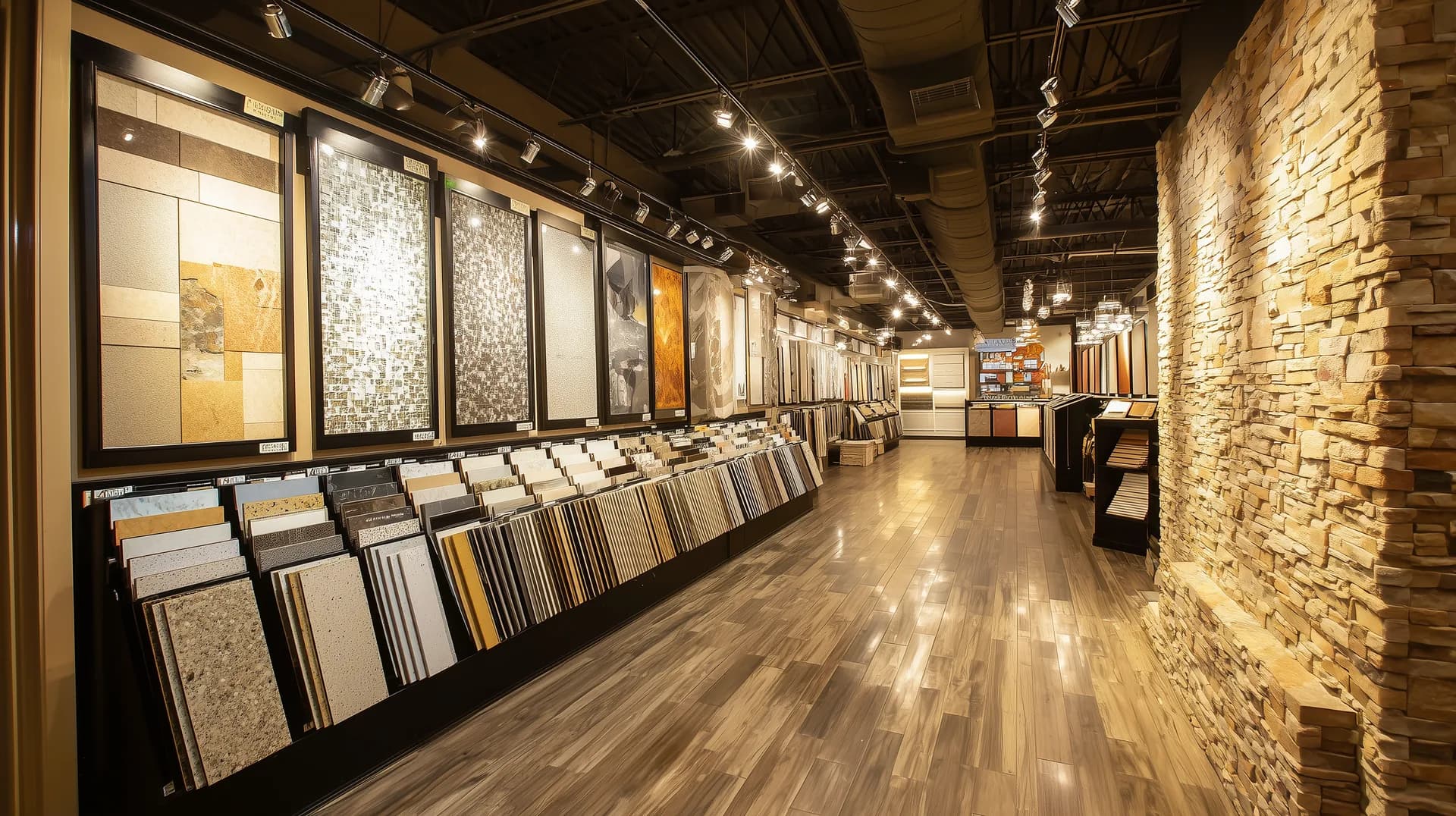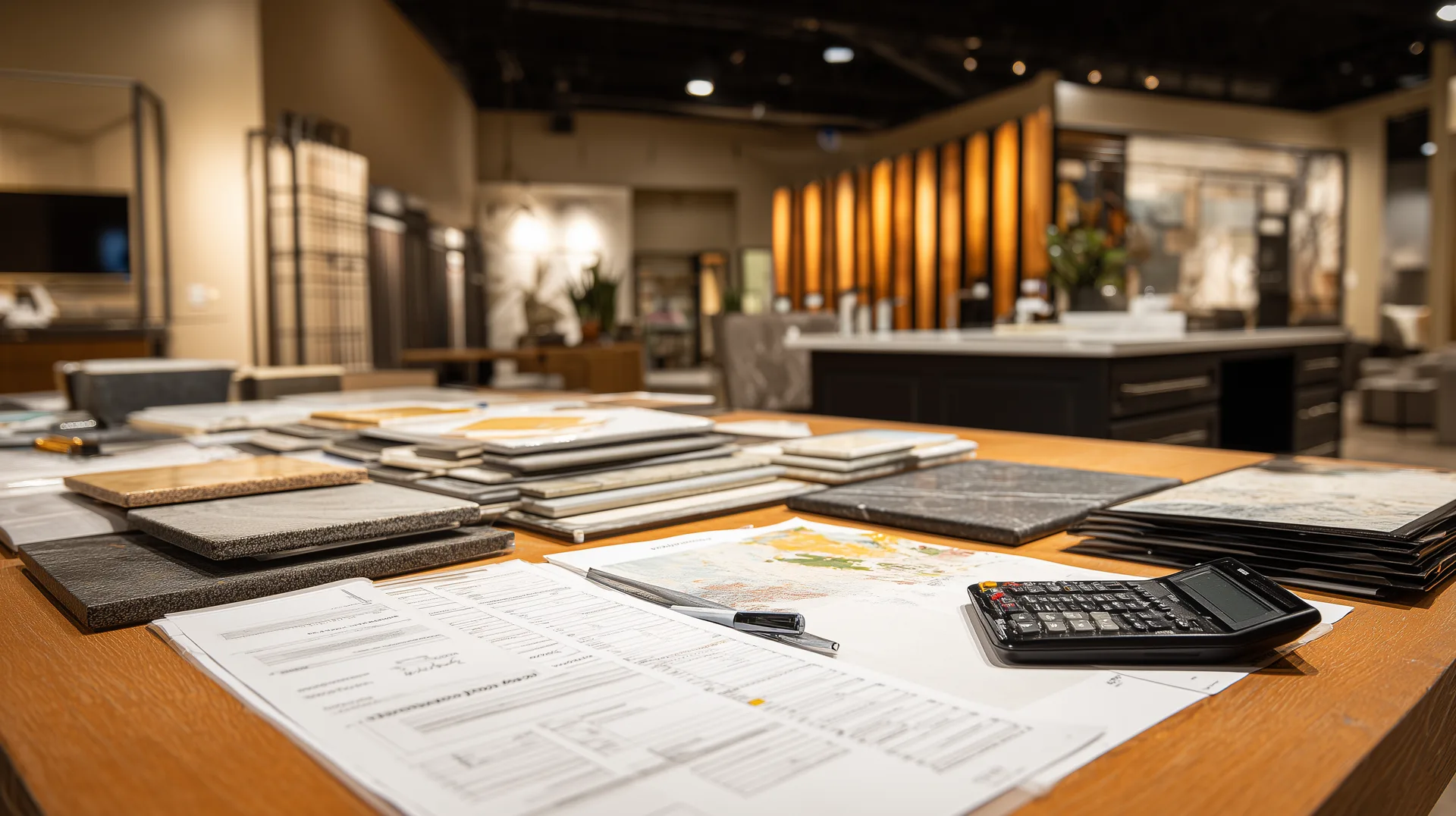
The design center appointment is one of the most exciting — and highest-stakes — days of the entire homebuying process. You walk in expecting to pick cabinet colors. It is easy to add twenty to forty thousand dollars to your mortgage in a single session — here is how to stay in control.
Here is how it works. Most builders offer a set of standard or included features in their base price. Then they invite you to their design center — a beautiful showroom filled with samples and upgrade options for flooring, countertops, cabinets, lighting, appliances, bathroom fixtures, and more. Every choice has a price. Design center pricing reflects the convenience of having everything installed during construction. For some upgrades, you may find better value doing them post-closing.
Not all upgrades are created equal. Some add real value to your daily life and to your eventual resale. Others are pure aesthetics that cost more than they return.
Upgrades That Tend to Hold Value
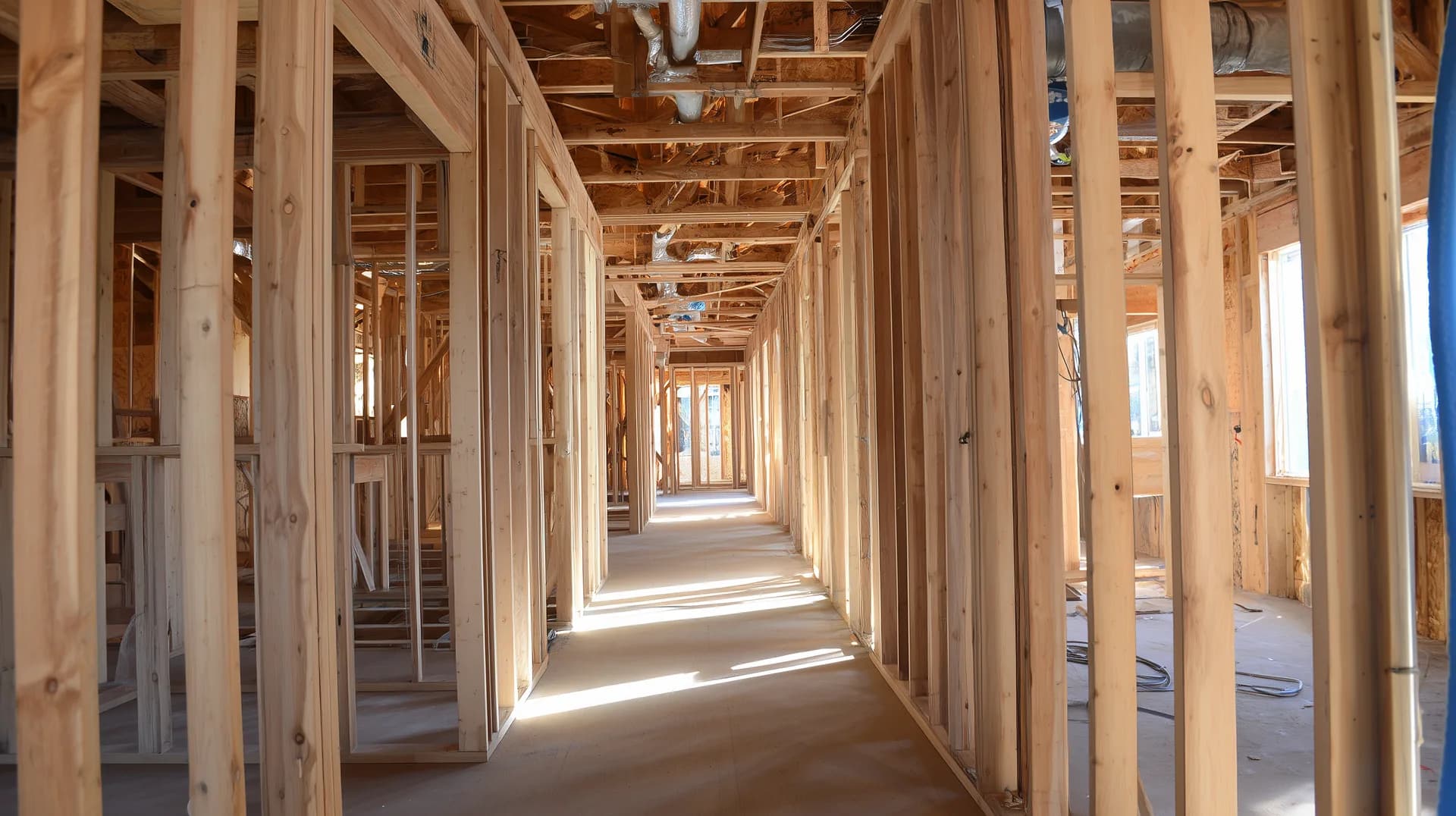
Structural changes top the list: adding a bedroom, extending the garage, increasing the primary suite size, or adding a den or bonus room. These cannot easily be done after closing — they require architectural changes, permits, and significant construction. Do them now or not at all.
Energy-efficient upgrades also pay dividends over time. Enhanced insulation packages, high-efficiency water heaters, solar pre-wiring, and EV charging rough-in all add ongoing value. In Phoenix, where summer energy bills regularly run $300–500 per month, insulation and HVAC upgrades pay back faster than in most markets.
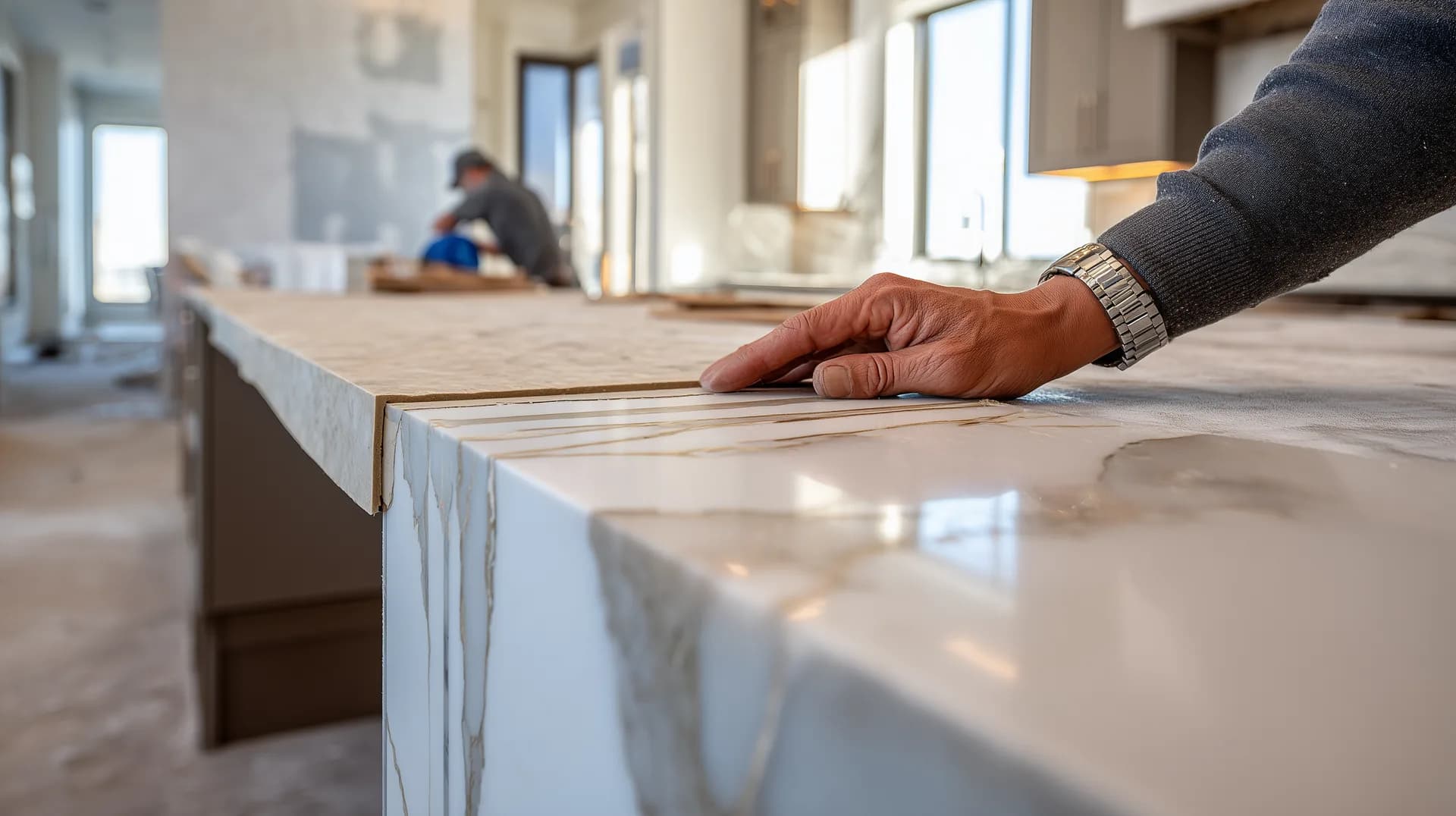
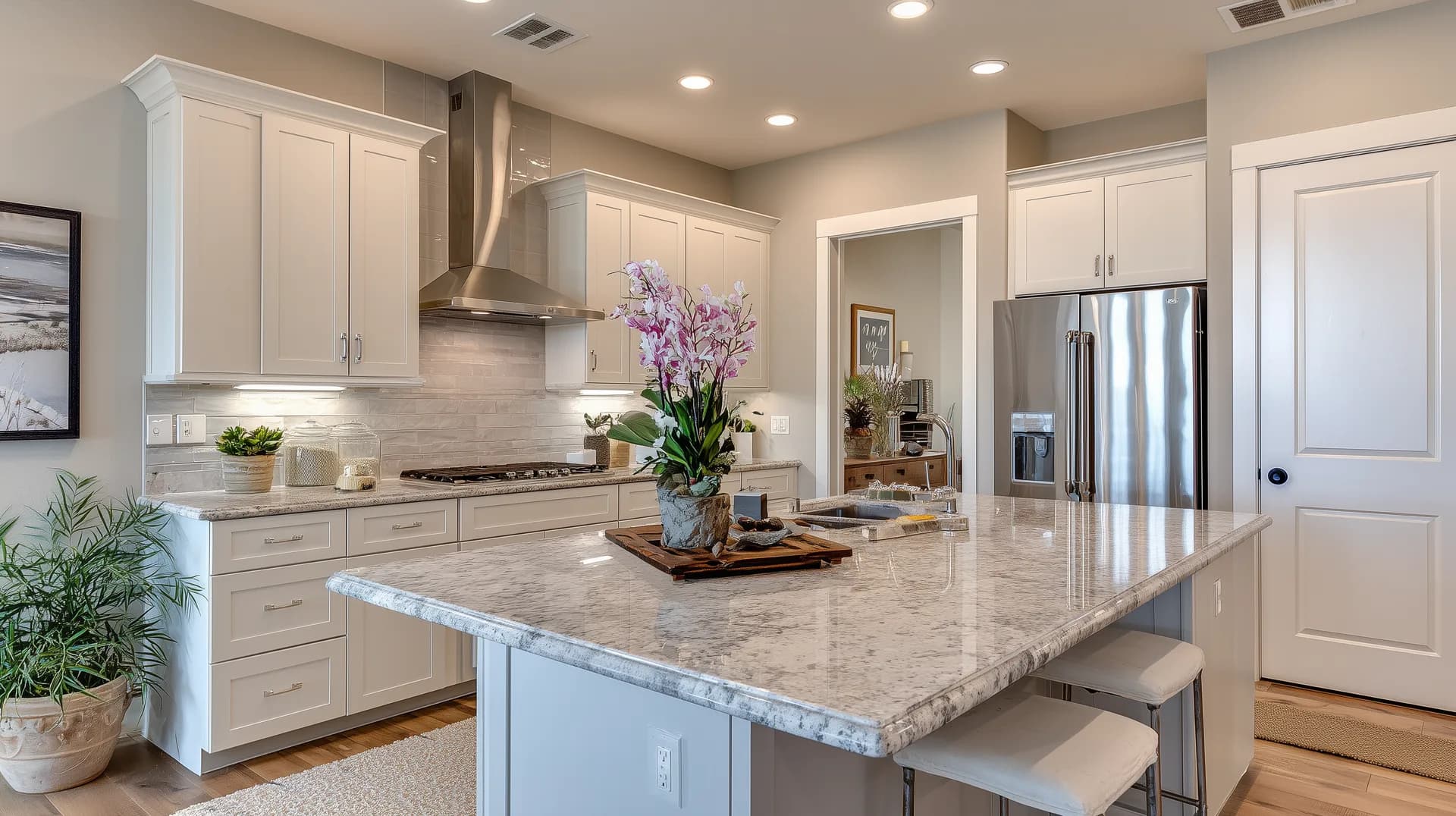
Kitchen upgrades are high-impact because the kitchen is the first room buyers scrutinize when you eventually sell. Countertop and cabinet upgrades in the kitchen return well at resale. A quartz countertop upgrade that costs $3,000 at the design center might cost $6,000–8,000 to replace after closing because of demolition, installation labor, and the premium on smaller custom fabrication jobs.
Primary bathroom tile is expensive to change later because it is set in mortar, requires demolition, and typically requires replacing plumbing fixtures too. Spend thoughtfully in the primary bath at the design center.
Upgrades That Often Are Not Worth the Builder Markup
Premium lighting fixtures are significantly marked up at design centers and can be replaced after closing with fixtures you choose yourself at retail cost. Decorative cabinet hardware is another easy post-closing swap — $200 in hardware and an hour of your time. Upgraded carpet padding is typically marked up dramatically and can be matched or exceeded by a local flooring company. Custom paint colors cost you almost nothing to change after closing with a $300 paint job.
Decorative tile backsplashes look striking in the showroom. They are also one of the more accessible post-closing contractor projects. If you are torn on a backsplash pattern, wait — your taste may change once you are actually living in the kitchen.
The Golden Rule
If you can do it yourself after closing for less than the builder charges, wait. If it requires open walls, structural changes, or poured concrete, do it now.
One more thing: design center upgrades can sometimes be negotiated into your purchase contract directly — particularly on inventory homes or during end-of-quarter sales pushes when builders want to move product. If you have an agent, ask them to push for design center credits as part of the deal rather than paying for upgrades out of pocket at list price. If you are negotiating directly, have that conversation with the sales rep before you sit down at the design table. A builder who offers a $10,000 closing cost credit will often extend the same amount as a design center credit if you ask.