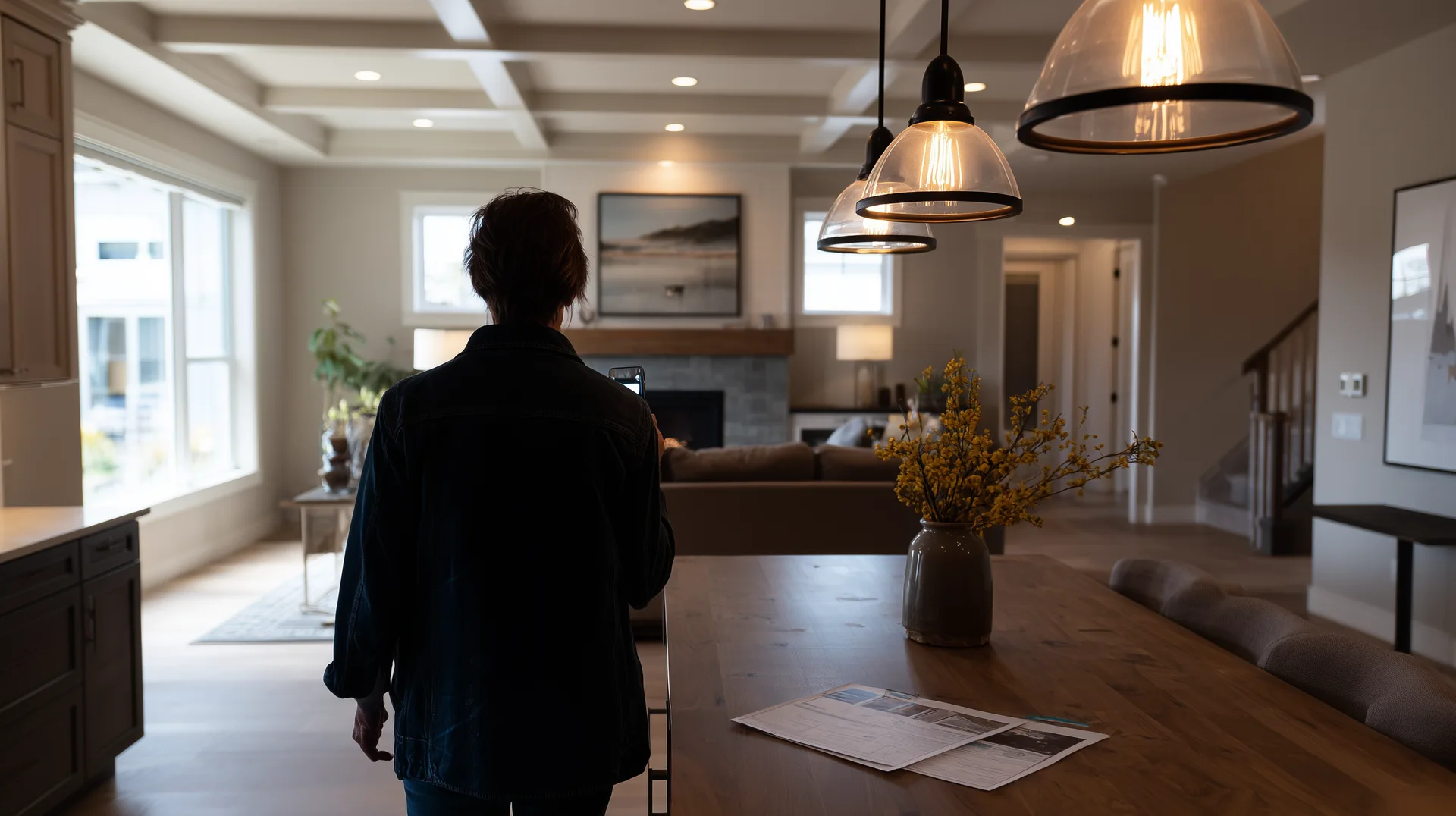
Here is a scenario that plays out every weekend across the country. A couple walks into a beautiful model home. A friendly sales representative greets them, offers water, asks about their timeline. The conversation feels helpful, warm, and low pressure. And it is — because that sales representative works for the builder.
This is not a criticism. Builder sales representatives are knowledgeable, professional, and genuinely passionate about the homes they sell. But they represent the builder's interests. Their compensation is tied to the builder's success. That is their job, and most of them do it well.
So who represents you? That depends on how you want to approach the process.
What a Buyer's Agent Actually Does
A buyer's agent who specializes in new construction understands builder contracts — which are drafted by the builder's legal team and tend to favor the builder. They know which clauses are negotiable and which are standard. They understand the difference between a 2-1 buydown and a permanent rate buydown and can help you calculate which one actually saves you more money. They know when a builder is likely to negotiate on price, on upgrades, or on closing costs based on where they are in their fiscal quarter.
If you are working with an agent, their value in new construction is less about finding the house and more about protecting you during the transaction — contract review, negotiation strategy, and process management.
How Commission Works

Here is the part that surprises most buyers: in the majority of new construction transactions, the builder still pays the buyer agent's commission. Since the 2024 NAR settlement, commission structures have evolved, but builders rarely ask buyers to cover their agent's fee directly — it is typically already accounted for in the pricing structure.
This is worth understanding regardless of whether you use an agent. The commission is generally built into the builder's pricing model, so choosing not to have representation does not automatically lower your purchase price.
The Registration Rule
If you do decide to work with an agent, register them on your very first visit to any community. Most builders require that your agent be present or registered on your initial visit to receive credit for the transaction. If you visit without an agent and sign in at the sales office, you may permanently lose the ability to bring one in later. If you are still deciding whether to use an agent, it is worth mentioning that possibility to the sales rep on your first visit and asking about their registration policy.
Can You Buy New Construction Without an Agent?
Yes — and many people do. Buying without an agent is entirely possible, especially if you are willing to invest time in understanding the process yourself.
Here is what to know if you go that route:

You will be negotiating directly with the builder's sales team. They are professional and often genuinely helpful, but remember that their job is to represent the builder. There is no one at the table whose job is to represent you — so you need to be your own advocate.
Read the purchase agreement carefully. Every word. Builder contracts are written by the builder's attorneys and tend to favor the builder. Pay particular attention to the deposit structure, completion date language, change order policies, arbitration clauses, and what happens if you need to walk away. If you are not comfortable reviewing legal documents yourself, consider hiring a real estate attorney to review the contract — this typically costs $500 to $1,500 and gives you professional contract review without the ongoing commitment of an agent.
Do your own research on incentives. Builders offer rate buydowns, closing cost credits, and design center allowances — and the terms vary by community and by month. Ask directly what incentives are available, and compare the builder's preferred lender terms against at least one outside lender.
Get your own home inspection. Whether you have an agent or not, an independent inspection — ideally both a pre-drywall and a pre-closing inspection — is one of the smartest investments you can make.
Track your own deadlines. Without an agent managing the process, you are responsible for staying on top of milestones — design center deadlines, inspection windows, rate lock expirations, and warranty submission periods.
Many DIY buyers do extremely well. The information is all available — it just requires more of your time and attention than it would if someone else were managing the process for you.
One area where unrepresented buyers often get caught short is the timeline. Builder purchase agreements have multiple deadlines: design center selection appointments, deposit escalation dates, construction milestone notifications, rate lock windows, and warranty submission periods. Missing one can cost money or complicate your closing. Without an agent tracking these for you, you need a system — a calendar with alerts, a folder with every document, and a habit of reading every piece of communication from the builder immediately.
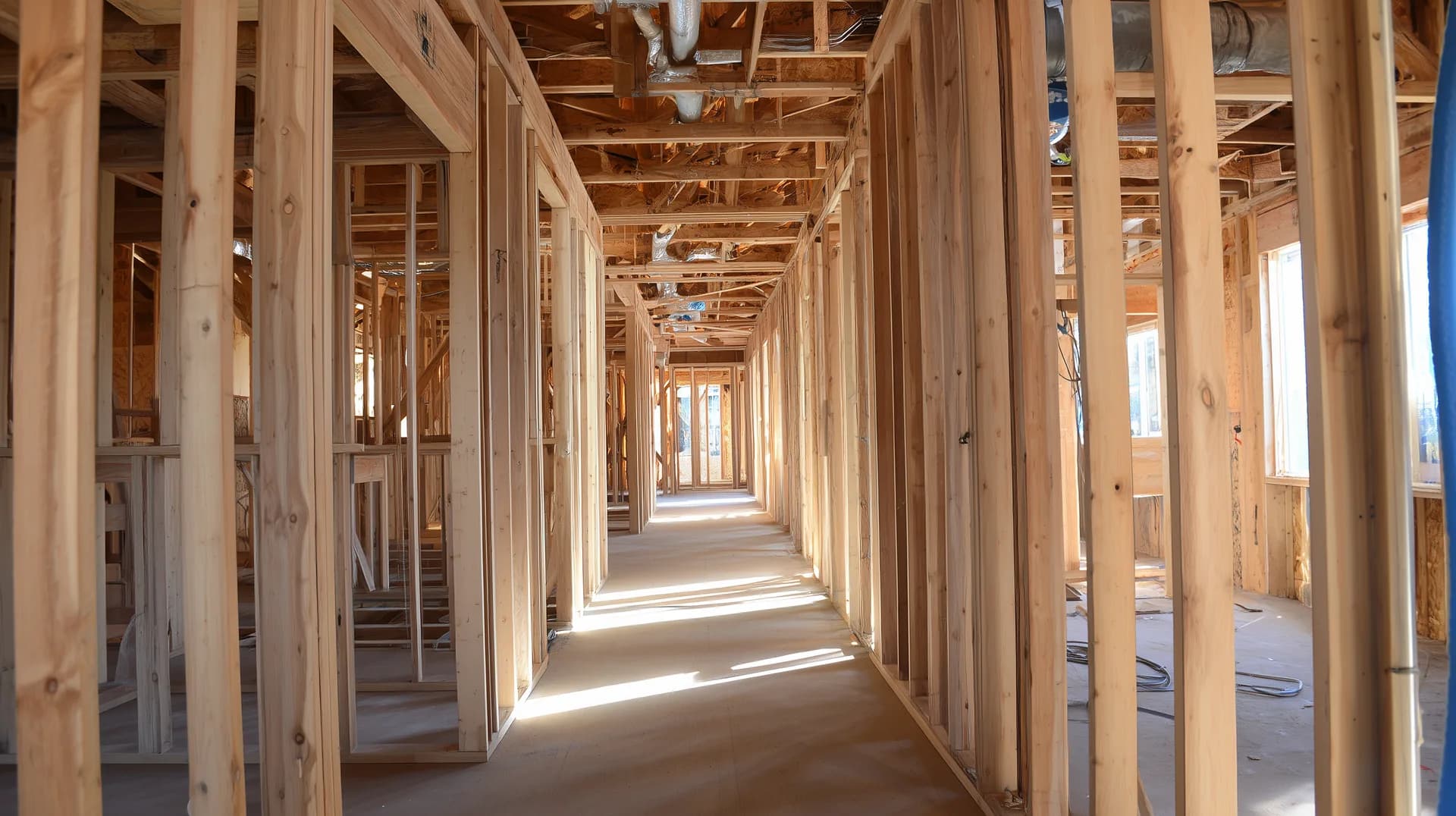
The other area is the pre-drywall inspection window. Most builders allow independent inspectors during a specific window between framing completion and drywall installation — typically a window of one to two weeks. If you miss it, you miss your only chance to see the bones of the house. Know the timing, ask your builder's customer care team how to schedule it, and get it on the calendar well in advance.
On NewBuilt.com, sponsoring agents are available on every model home listing if you want guidance — but the information, model details, and community data are all here whether you use an agent or not. The platform is built to give you everything you need to make an informed decision on your own terms.