You spend weeks comparing floor plans, debating quartz versus granite, choosing between the 10-foot and 12-foot sliding glass door. Then the sales rep pulls out the community site map and asks which lot you want, and you point at one near the pool because it seems convenient.
That lot choice will affect your daily life, your energy bills, and your resale value more than every design center decision combined.
Lot Premiums: What You are Paying For
Not all lots cost the same. Builders charge premiums for lots with desirable features — larger size, views, cul-de-sac placement, or backing to open space. Premiums range from $5,000 to $50,000 or more in high-demand communities.
Some of these premiums are worth every dollar. Others are marketing. A $20,000 premium for backing to a wash with protected desert views that can never be built on? That holds value at resale. A $15,000 premium for being "close to the future park" that is currently a dirt patch? Maybe less compelling.
Ask what specifically justifies the premium and whether that feature is permanent or temporary.
Orientation: The West-Facing Problem
If you are buying in Phoenix, Las Vegas, or anywhere in the Sun Belt, the direction your home faces matters more than almost any upgrade you could buy.
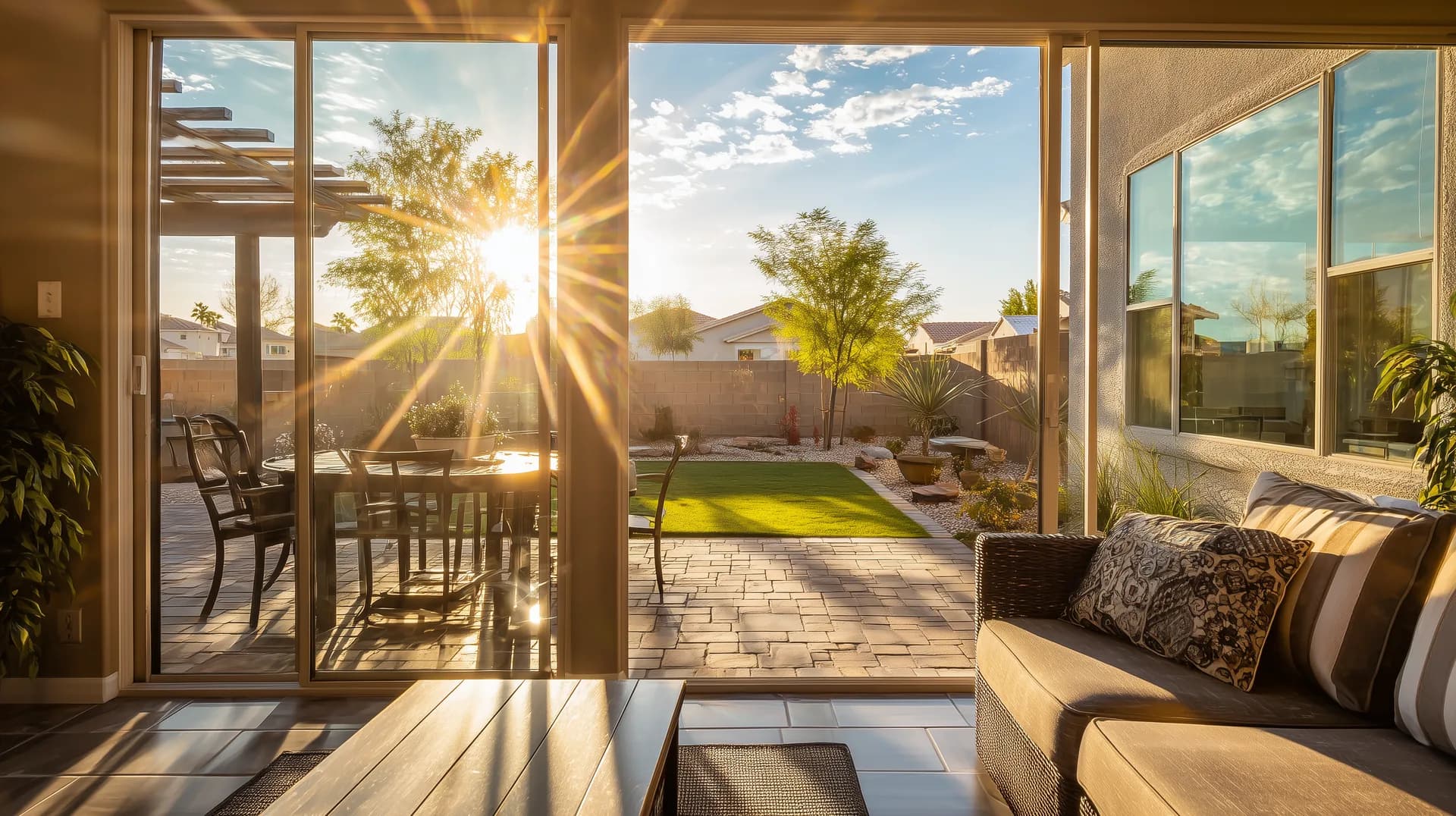
A west-facing backyard takes the full force of the afternoon sun from April through October. Your back patio becomes unusable by 2 PM. Your energy bills spike because your largest glass exposure is absorbing maximum solar heat during peak hours. Your plants struggle. Your pool feels like a hot tub — and not in a good way.
North-facing backyards are the gold standard in desert climates. East-facing is solid. South-facing is workable. West-facing is a daily compromise.
This is not always part of the standard sales presentation — it is up to you to ask. If you are working with an agent, a good one will pull up the site map and walk you through orientation before you commit. If you are researching on your own, use a compass app on your phone and check which direction the backyard faces on any lot you are considering. This five-second check can save you years of regret.
Corner Lots: The Trade-Off
Corner lots are larger, which sounds great. You get more yard, more street frontage, more presence.
You also get more foot traffic past your home, headlights sweeping through your windows at night, more exterior maintenance responsibility, and in some communities, two sides of fencing to maintain instead of one.
Some buyers love corners. Others regret them within six months. Think about how you actually live before choosing one based on square footage alone.
Cul-de-Sac Lots

Cul-de-sacs mean less through traffic, which families with kids genuinely value. They also mean an oddly shaped backyard — often pie-shaped, narrower at the house and wider at the back fence.
That shape can limit your patio options, make pool placement tricky, and reduce usable yard space despite decent total square footage. Walk the lot with a tape measure and think about what you actually want to do back there.
At resale, cul-de-sac premiums generally hold. Families consistently pay more for them.
Backing to Open Space, Washes, and Common Areas
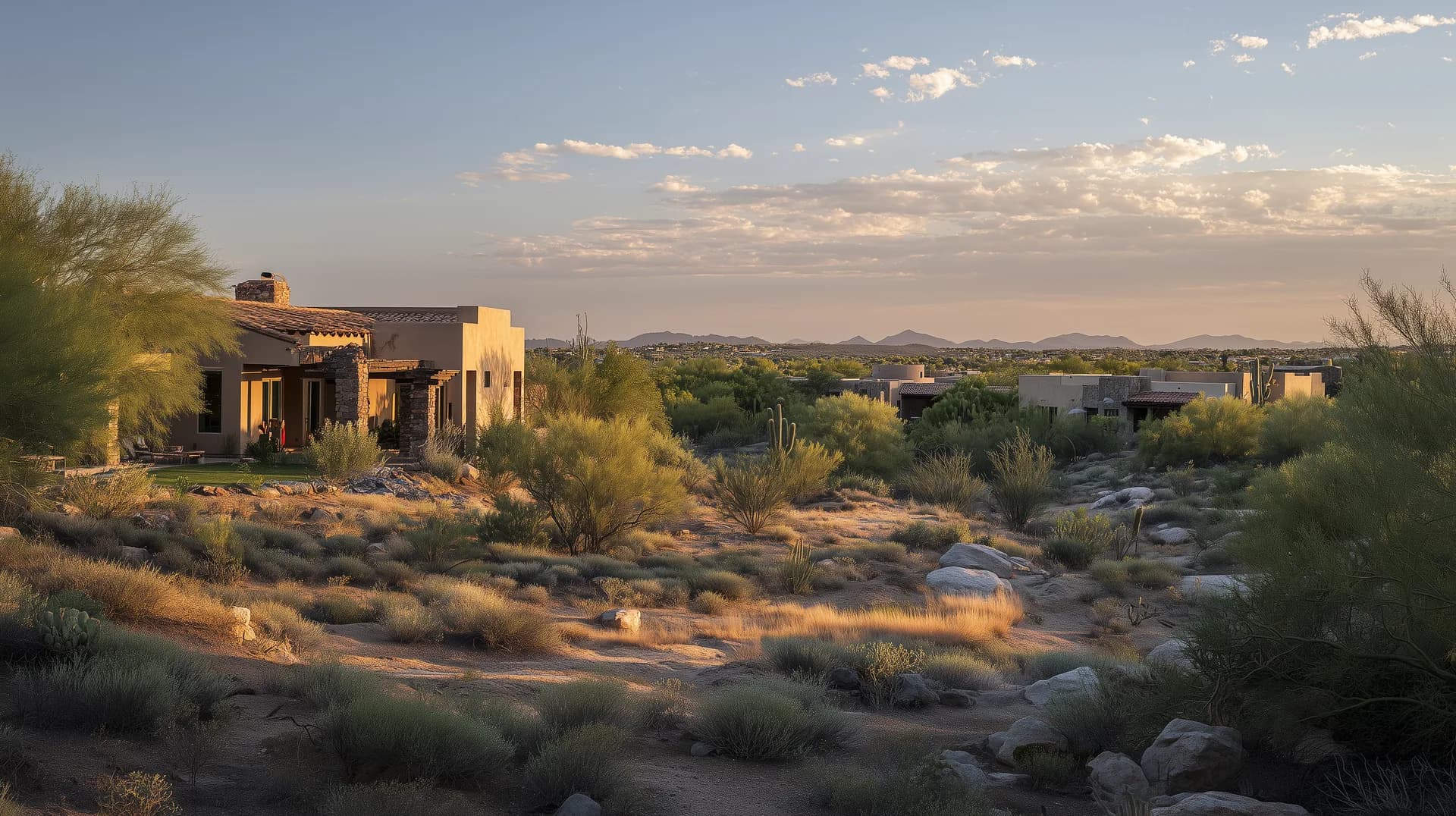
The most valuable lot feature in many communities is what is behind you. Backing to a natural wash, a greenbelt, or undevelopable land means no neighbor looking into your backyard. That privacy is rare and holds its value.
But "open space" can mean different things. A future phase of the community? A retention basin that floods during monsoon season? An easement that the HOA could someday develop into a basketball court?
Ask what is behind the lot. Ask if it is protected. Get it in writing if possible.
Proximity to Amenities
Being close to the pool and clubhouse sounds ideal when you are imagining weekend afternoons. It sounds less ideal at 7 AM on a Saturday when the swim team starts practice, or on Friday nights when the ramada becomes a party venue.
A two-minute walk to the pool is close enough. Directly adjacent means you hear everything.
The same logic applies to parks, playgrounds, and sports courts. Close is good. Sharing a fence line requires patience.
Construction Phase Neighbors
If your community is still building out, your lot's proximity to active construction matters. Homes near the community entrance are usually built first and settled. Homes near the back of the community might face 12 to 24 months of construction traffic, dust, and early-morning concrete trucks next door.
This is temporary, but "temporary" in new construction can mean two years.
The Resale Lens
Every lot decision you make, a future buyer will evaluate. Privacy, orientation, noise exposure, and proximity to amenities all factor into what your home will be worth when you sell.
Browse communities at NewBuilt.com to compare what is available before you visit in person. Look at the site map before you fall in love with a floor plan — because the best floor plan on the worst lot is still the worst lot.