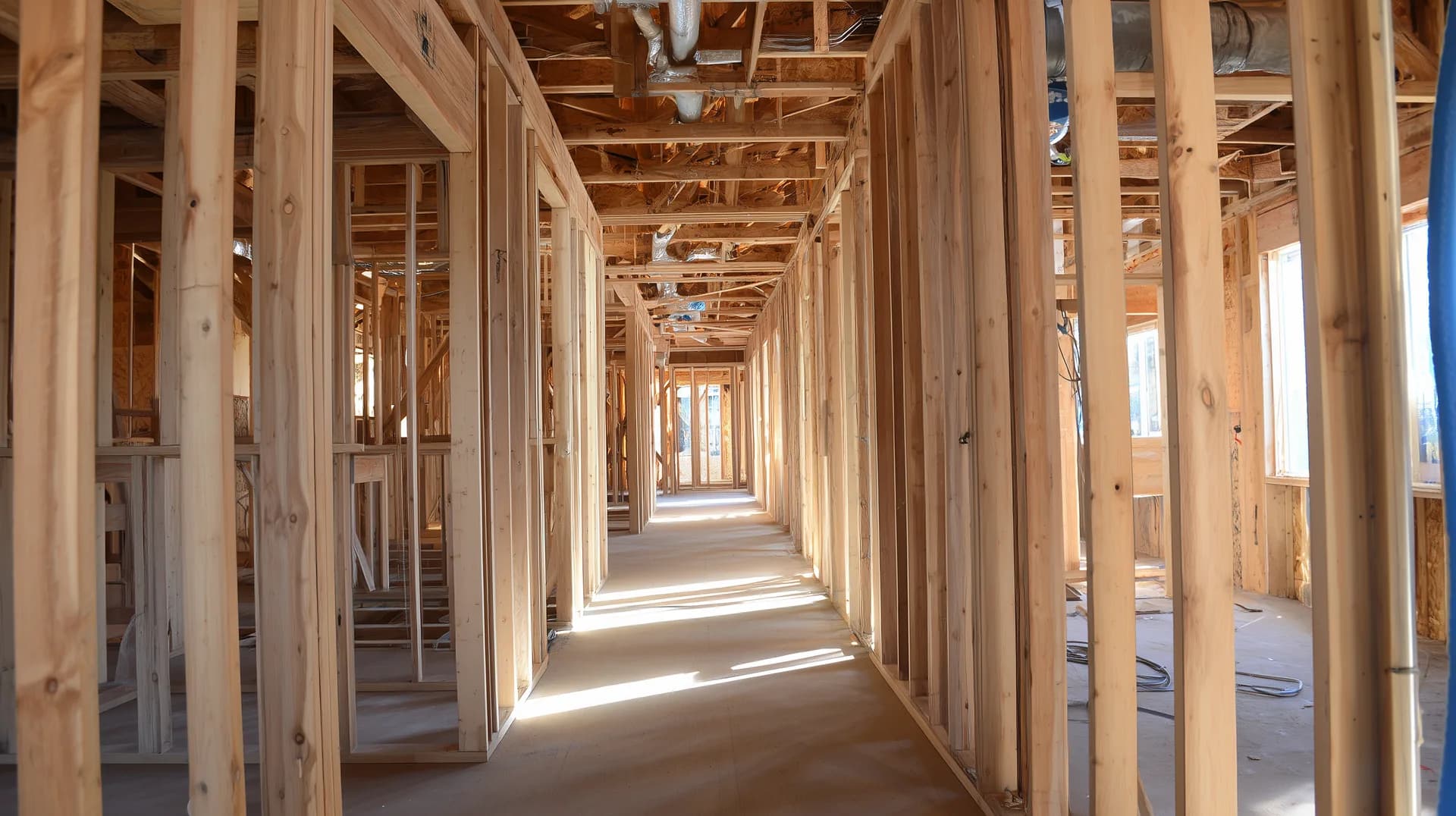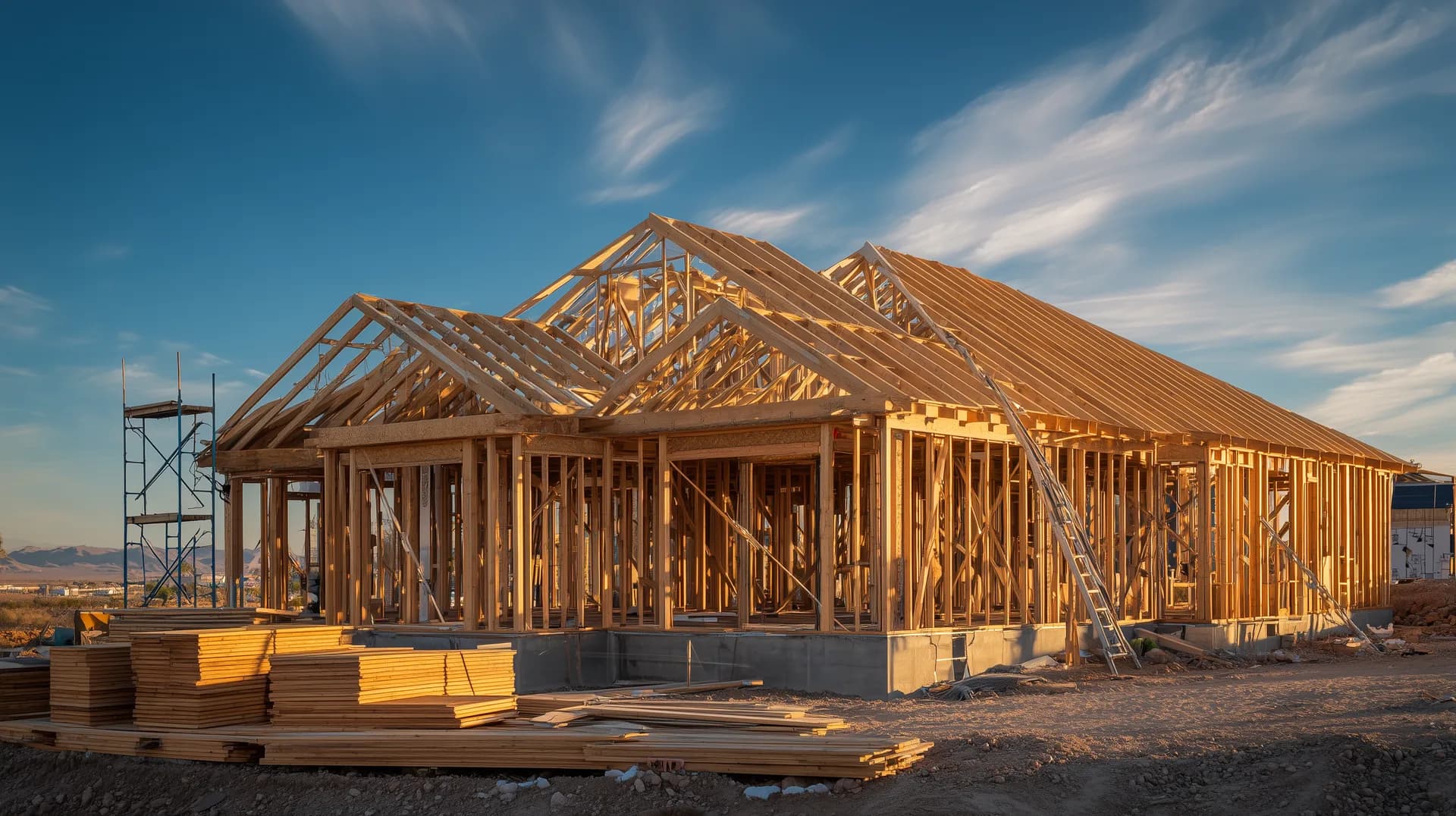
You are eight months into a fourteen-month build. The framing is up, the roof is on, and your kitchen cabinets just arrived at the job site. Then you read a headline: your builder just got acquired by a larger company. Or worse — they filed for bankruptcy.
Your stomach drops. Your deposit is in someone else's hands. Your half-built home is sitting on a slab with no one holding a hammer.
Take a breath. This is rarer than the internet makes it seem, and there are protections in place. But you should understand them before you need them.
When a Builder Gets Acquired
Builder acquisitions happen regularly. A national builder buys a regional one. A private equity firm rolls up several mid-size builders. A publicly traded company expands into a new market by purchasing an established local brand.
In most acquisitions, your home gets built. The new owner assumes existing contracts, the construction crews stay on, and your closing happens roughly on schedule. You might notice a new logo on the sales office and different names on the emails.
What can change: incentive programs, design center options, warranty administration, and preferred lender partnerships. Your original contract terms are typically honored, but the experience around them may shift.
If you hear about an acquisition, reach out to the builder's team directly to confirm your contract status and get clarity on any timeline or process changes. If you are working with an agent, they can help coordinate this and interpret what the changes mean for your transaction. If you are handling this yourself, send a written inquiry to the sales office asking for confirmation that your existing contract terms will be honored under the new ownership.
When a Builder Files for Bankruptcy
This is the scenario that keeps buyers up at night. It is also genuinely uncommon for large builders. The major publicly traded builders have balance sheets measured in billions. They survived 2008. They will survive a market correction.
Smaller regional builders carry more risk. They operate on thinner margins, rely more heavily on project-by-project financing, and have fewer reserves.
If a builder files for bankruptcy mid-construction, here is what typically happens:
Your earnest money deposit should be held in an escrow account, not in the builder's operating funds. In most states, this is legally required. That escrow protection means your deposit is not used to pay the builder's debts — it stays separate and is returned to you or applied to the transaction.
Your home, if partially built, becomes part of the bankruptcy estate. A bankruptcy court will oversee what happens next. In many cases, another builder purchases the unfinished homes and completes them. The timeline extends, sometimes significantly, but the home gets finished.
In rarer cases, the project is abandoned entirely. If that happens, you get your escrow deposit back, but you lose time, temporary housing costs, and any rate locks that expire.
State-Level Protections
Most states have consumer protection laws specifically for new home construction. These vary, but commonly include:
Mandatory escrow for buyer deposits. Bonding requirements that provide financial backstops if the builder defaults. Registration and licensing requirements that create accountability. Implied warranty protections that survive the builder's financial troubles.
A real estate attorney or an experienced buyer's agent can tell you exactly what protections exist in your state. You can also research your state's department of real estate or consumer protection office directly — most publish this information online. Ask before you sign, not after something goes wrong.
How to Check Builder Financial Health
You do not need a finance degree to do basic due diligence.
If the builder is publicly traded, their financial statements are public. Look at their debt-to-equity ratio, their cash reserves, and whether they have been profitable in recent quarters. A quick search for their investor relations page tells you a lot.
If the builder is private, it is harder to assess. But you can look for red flags: recent layoffs, stalled communities where construction has stopped, subcontractors filing liens, or a pattern of delayed closings. Talk to agents who work that builder's communities, check local real estate forums, and look for patterns in online reviews — these sources often surface concerns before they become headlines.
Ask the builder directly: "Who holds our earnest money in escrow?" and "What bonding or insurance is in place if construction cannot be completed?" A reputable builder will answer without hesitation.
Perspective Matters
The last major wave of builder bankruptcies happened in 2008-2011. Since then, the industry has consolidated significantly. Today's large builders are better capitalized and more conservatively leveraged than they were before the crisis.
That does not mean risk is zero. But it means the system has guardrails.
Buy from a builder with a track record. Make sure your deposit is in escrow. Understand your state's protections. Whether you are working with an agent or doing your own research, the due diligence is the same — and the odds are overwhelmingly in your favor.