Buying new construction is exciting — and like anything new, there are a few things that are good to know going in. These aren't problems. They're the normal reality of a brand-new home. Here's what to expect so you can enjoy the process from day one.
1. Your property taxes will jump after the first year. When you close, the county is still taxing the land value — not the finished home. Your first tax bill will be low. Your second one will be a shock. In Phoenix, expect your property taxes to roughly double once the assessor reassesses the full value of the completed structure. You may also receive a supplemental tax bill — a one-time charge that covers the adjustment period from when your home was assessed at the higher value. Budget for it now, before you're surprised.
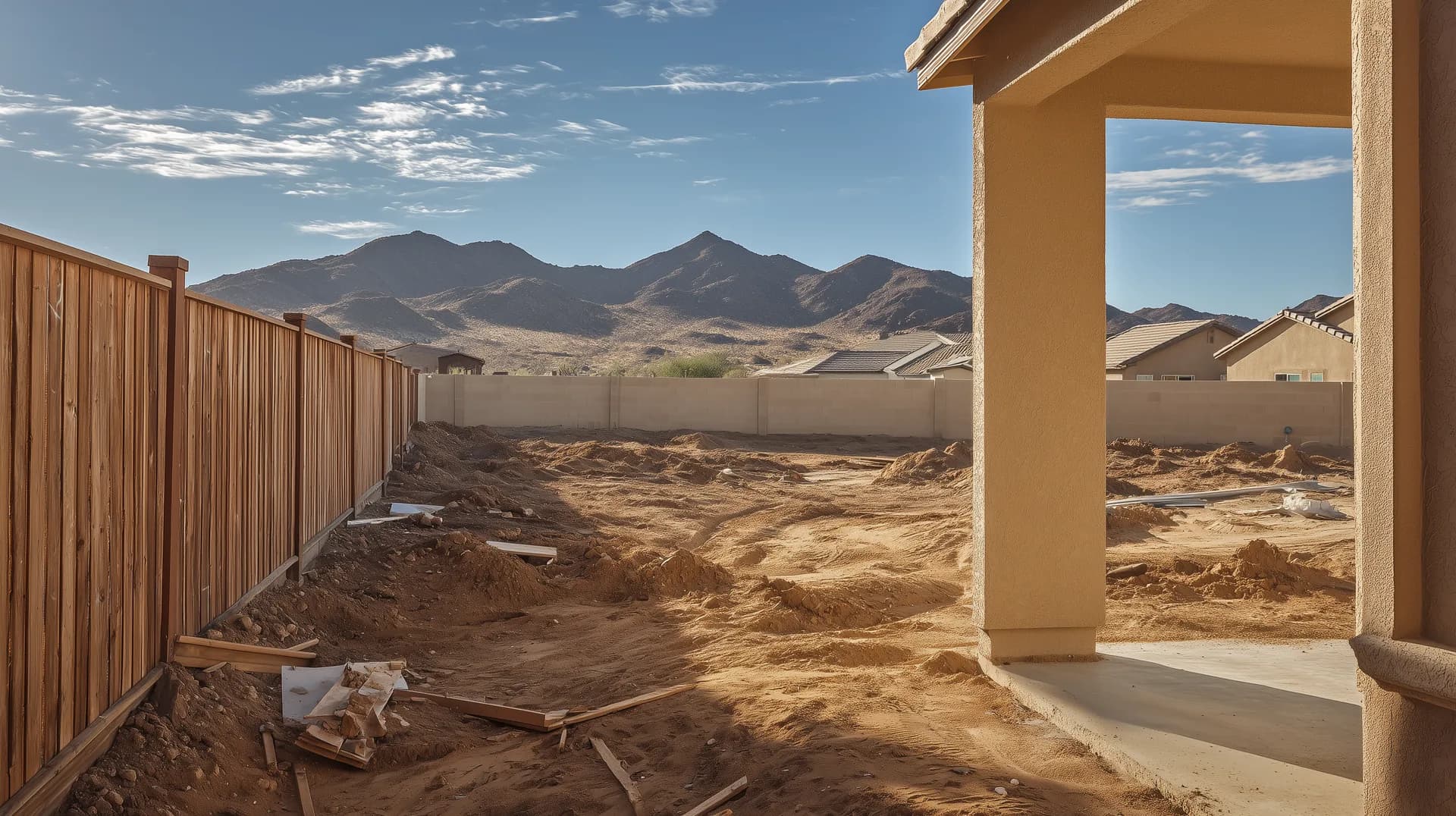
2. Your yard will be dirt. Unless you bought an inventory home with a completed landscape package, your backyard will be a blank canvas of desert dirt and maybe some gravel. Most builders include a basic front yard — rocks, a small tree, maybe some desert shrubs. The backyard is entirely on you. Your HOA probably has a 90–180 day deadline to get it landscaped after closing. Get landscaping quotes before you close so you know the cost and have a contractor lined up rather than scrambling after move-in with a deadline counting down.
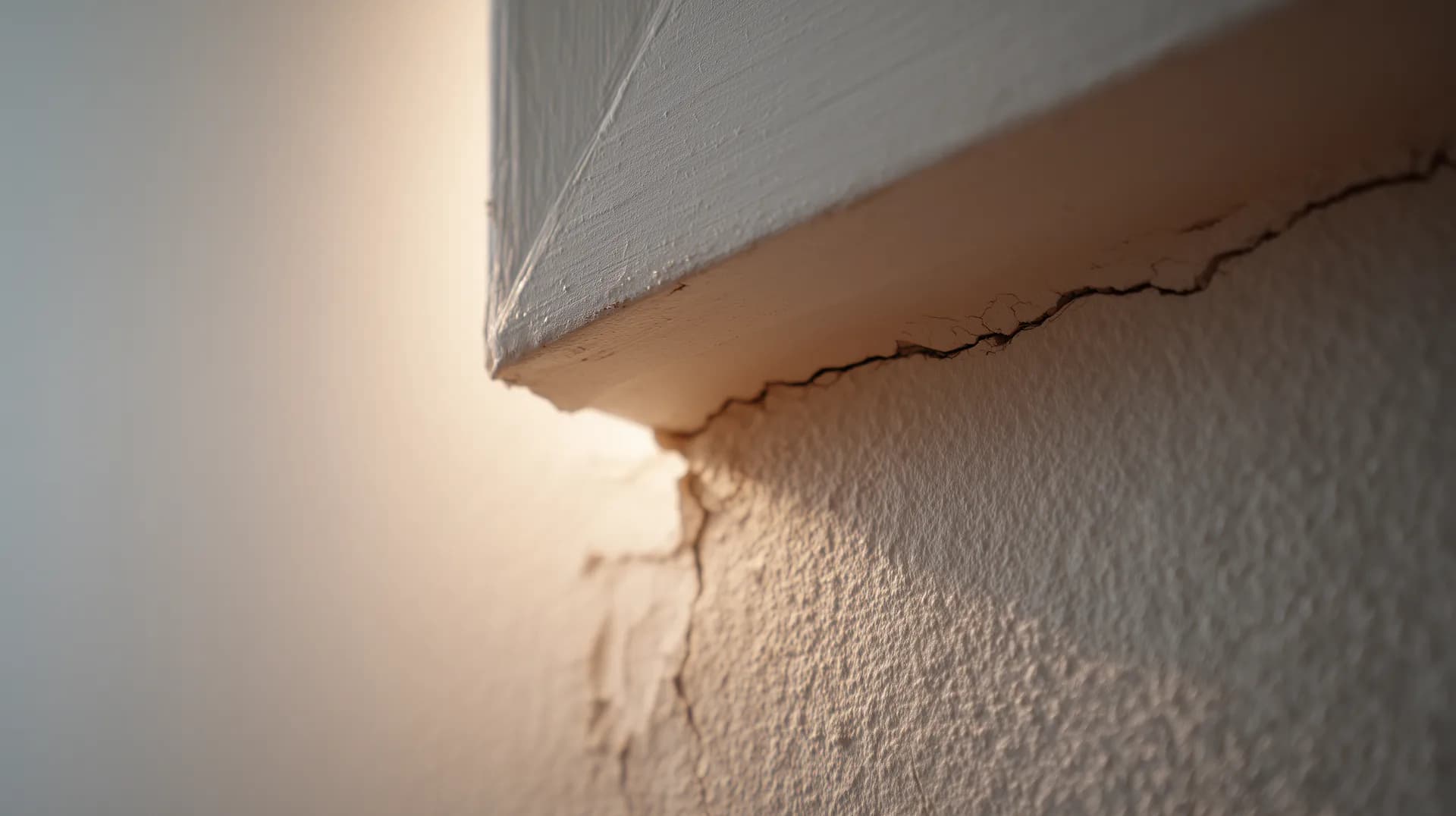
3. The walls will crack and the nails will pop. Not because the house is falling apart — because it's settling. New homes shift slightly as the foundation cures and the framing lumber dries out. You'll see hairline cracks around door frames and where walls meet ceilings. You'll see small bumps where drywall nails push through slightly. You'll see tiny gaps where trim meets the wall. Every single one of these is cosmetic and completely normal. Most builders schedule a touch-up visit around the sixty or ninety-day mark to address the early stuff, then do a full warranty walkthrough at the one-year mark to catch the rest. Photograph everything as you notice it and keep a running list — but don't lose sleep over it.
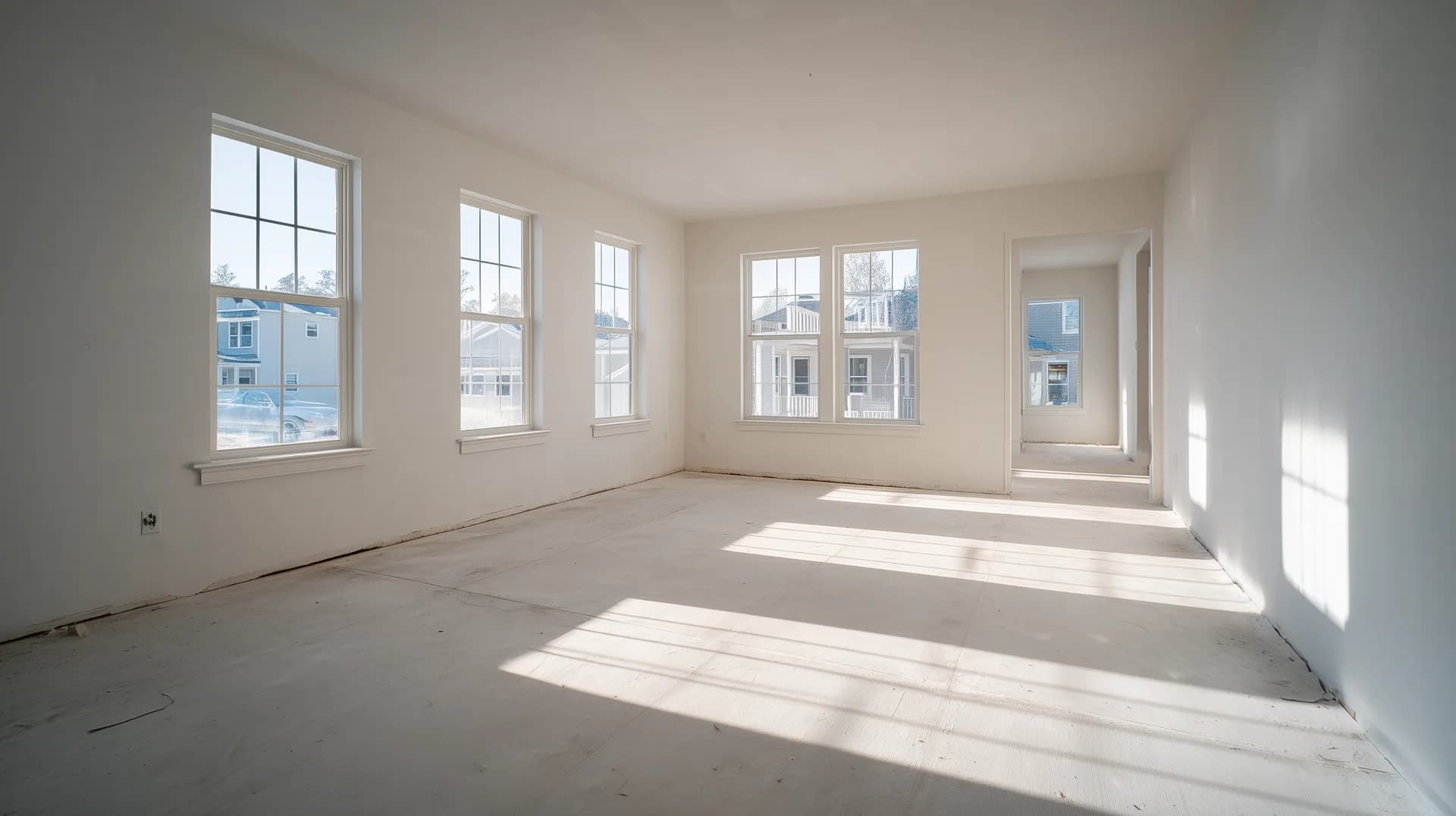
4. The model home and your home are not the same house. You already know the model is loaded with upgrades. But the thing that gets people isn't the missing upgrades — it's the feeling. The model has furniture scaled perfectly to every room, art on every wall, rugs defining every space. Your home will be empty, echoey, and feel enormous. That's not a problem — that's the raw canvas. Bring a tape measure to the model home so you know what size furniture actually fills these rooms, because your eye will deceive you.
5. You won't have window coverings. New homes come with bare windows — no blinds, no curtains, no shades. If you're on a busy street or have neighbors nearby, your first night will feel uncomfortably public. Order at least temporary blinds before move-in day. Big-box store cellular shades in standard sizes run $15–40 per window and install in minutes. Custom window coverings for a full house run $3,000–8,000 and take weeks to arrive — they're worth ordering early.
6. You'll need way more furniture than you think. That open-concept floor plan with 10-foot ceilings? Your old apartment furniture will look like dollhouse pieces in it. A sectional that dominated your last living room may disappear in your new great room. Visit the model home and look at the scale of their furniture — it's sized intentionally for the space. If you're staging your current home for sale, consider that the oversized sofa you own today may not translate. Plan for the new scale before move-in.
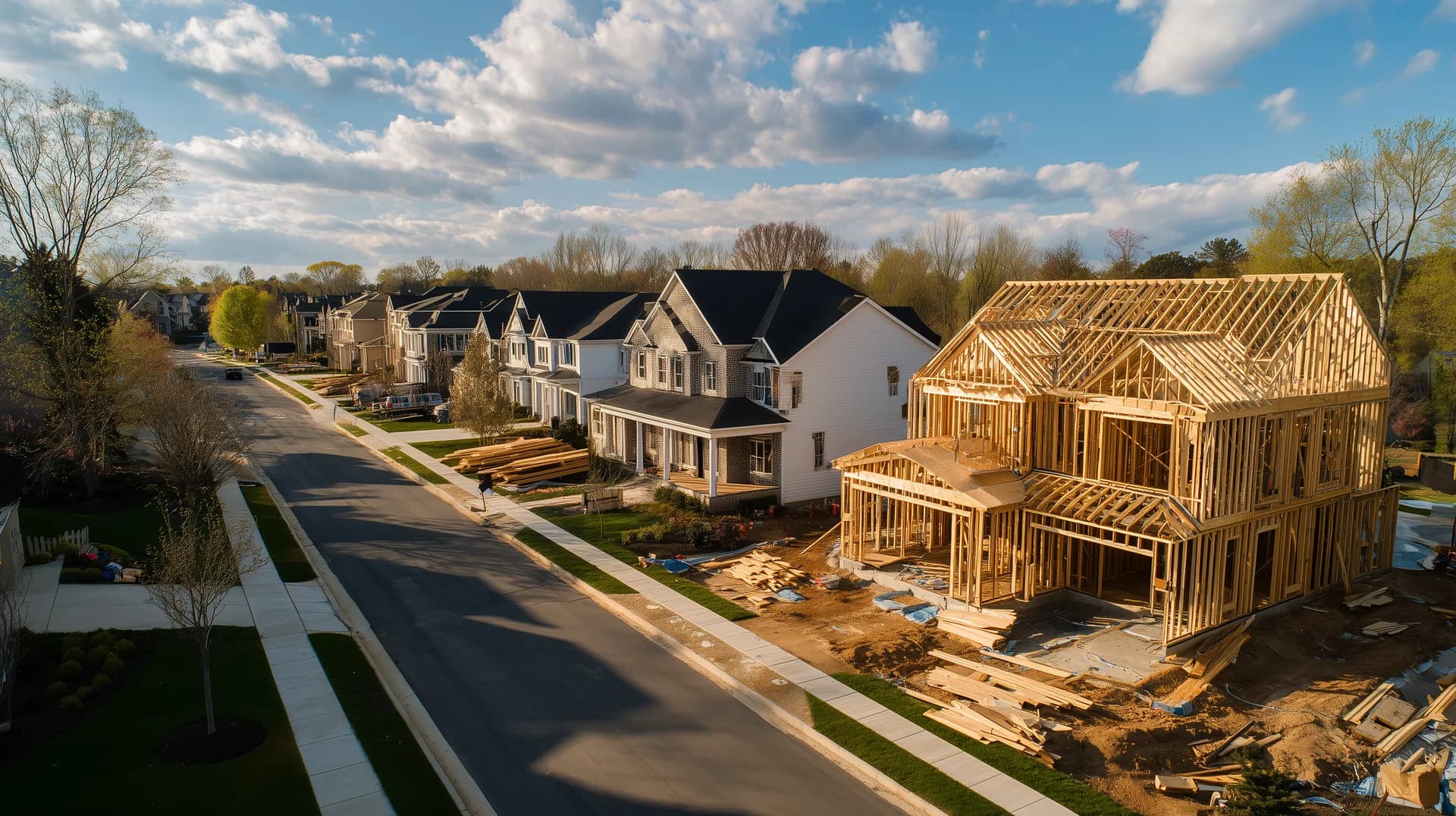
7. The neighborhood will be a construction zone. Even after your home is done, the community might be building around you for another one to three years. Expect construction traffic, early morning noise starting at 6am, dust on everything parked outside, and unfinished common areas. It gets better, but those first months test your patience. Park in the garage if you can — construction dust is hard on paint and trim.
8. Your internet might not work on day one. New construction communities are sometimes ahead of the cable and fiber providers. The streets are paved and the homes are finished, but the telecom infrastructure is still catching up. Check with the builder's sales team about which providers service the community and when service will be available. Some buyers close and discover their only option for the first month or two is a mobile hotspot. If you work from home, this is worth confirming before you sign — not after.
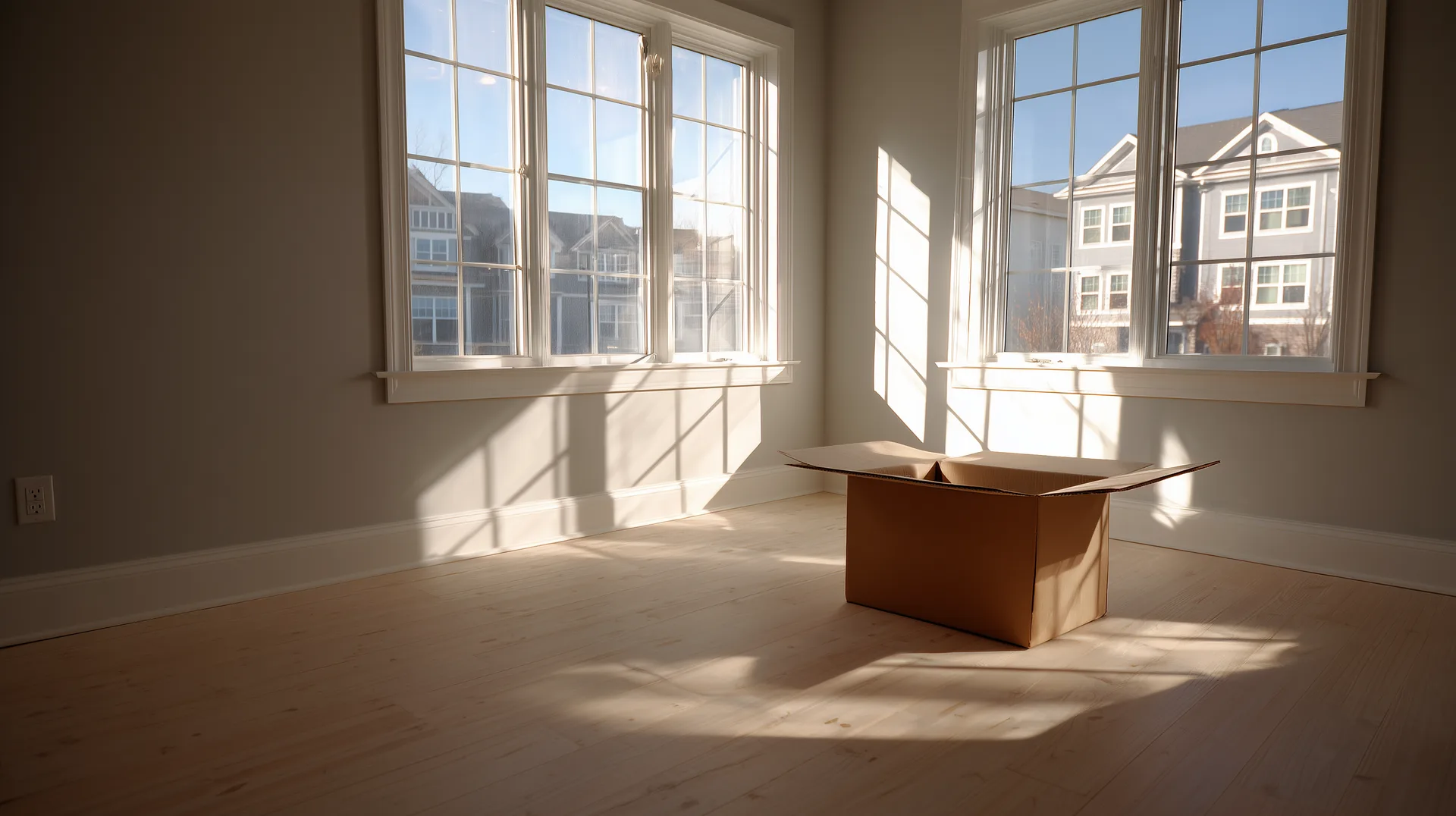
9. Your home will smell like chemicals for a while. New paint, new carpet, new cabinets — they all off-gas volatile organic compounds. Open windows when weather allows, run the HVAC fan continuously for the first few weeks to cycle air through, and consider an air purifier with a HEPA plus activated carbon filter for the main living areas. The smell fades within a few months, but it's more noticeable than most buyers expect, particularly in summer when the house stays sealed against the heat.
10. The first year is a relationship with your builder. You'll have a warranty period where the builder addresses issues as they come up. Document everything with dated photos. Keep a running list organized by category — HVAC, plumbing, drywall, exterior — and submit requests through whatever channel your builder prefers. Be organized but patient — the good builders take care of you, but they're managing hundreds of homes across multiple communities. Clear, documented communication gets better results than frustrated calls every time.
None of these ten things are problems. They're the normal reality of a brand-new home finding its footing — and of you finding yours in it. The buyers who know what's coming are the ones who enjoy the process instead of being rattled by it.