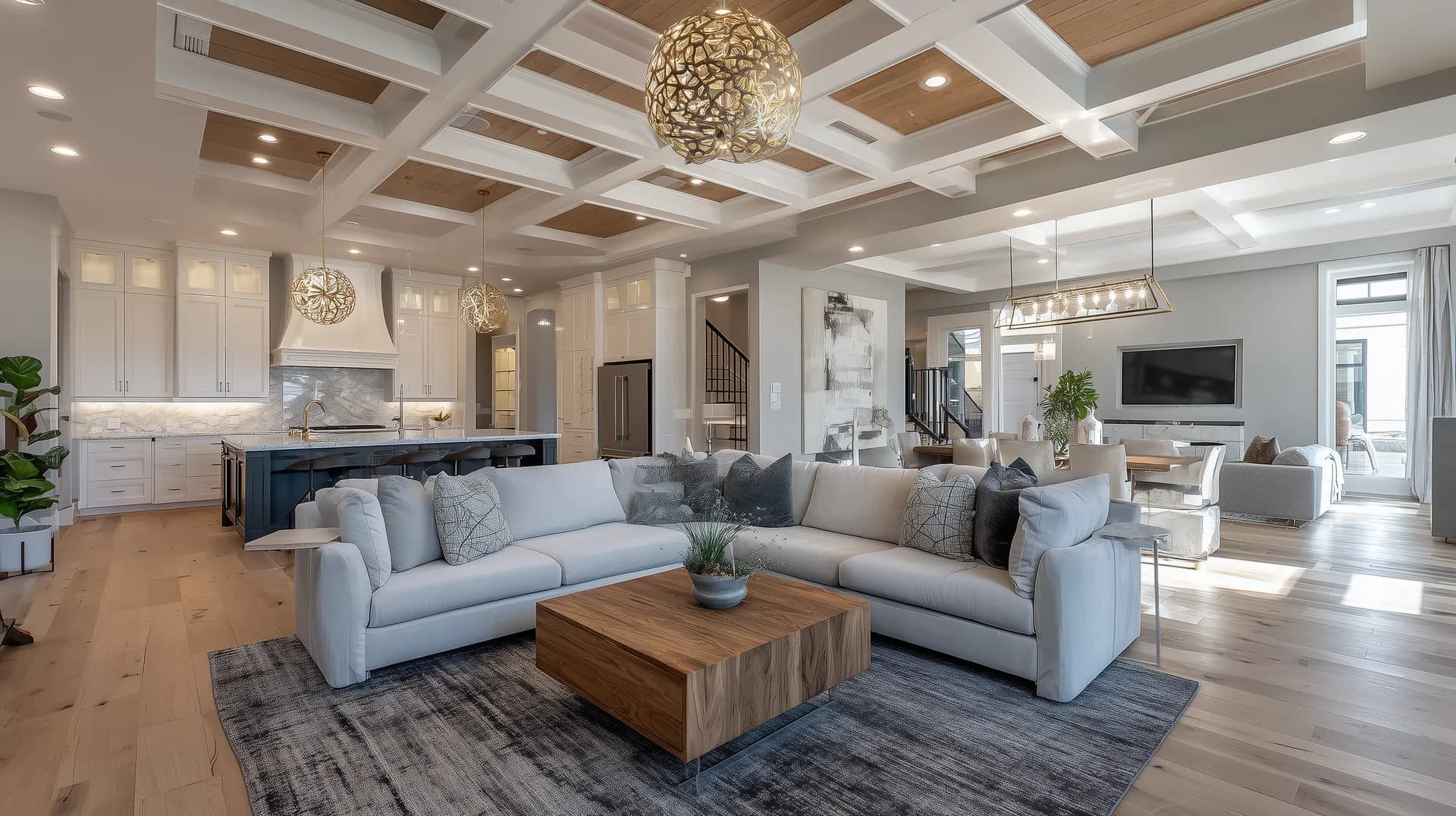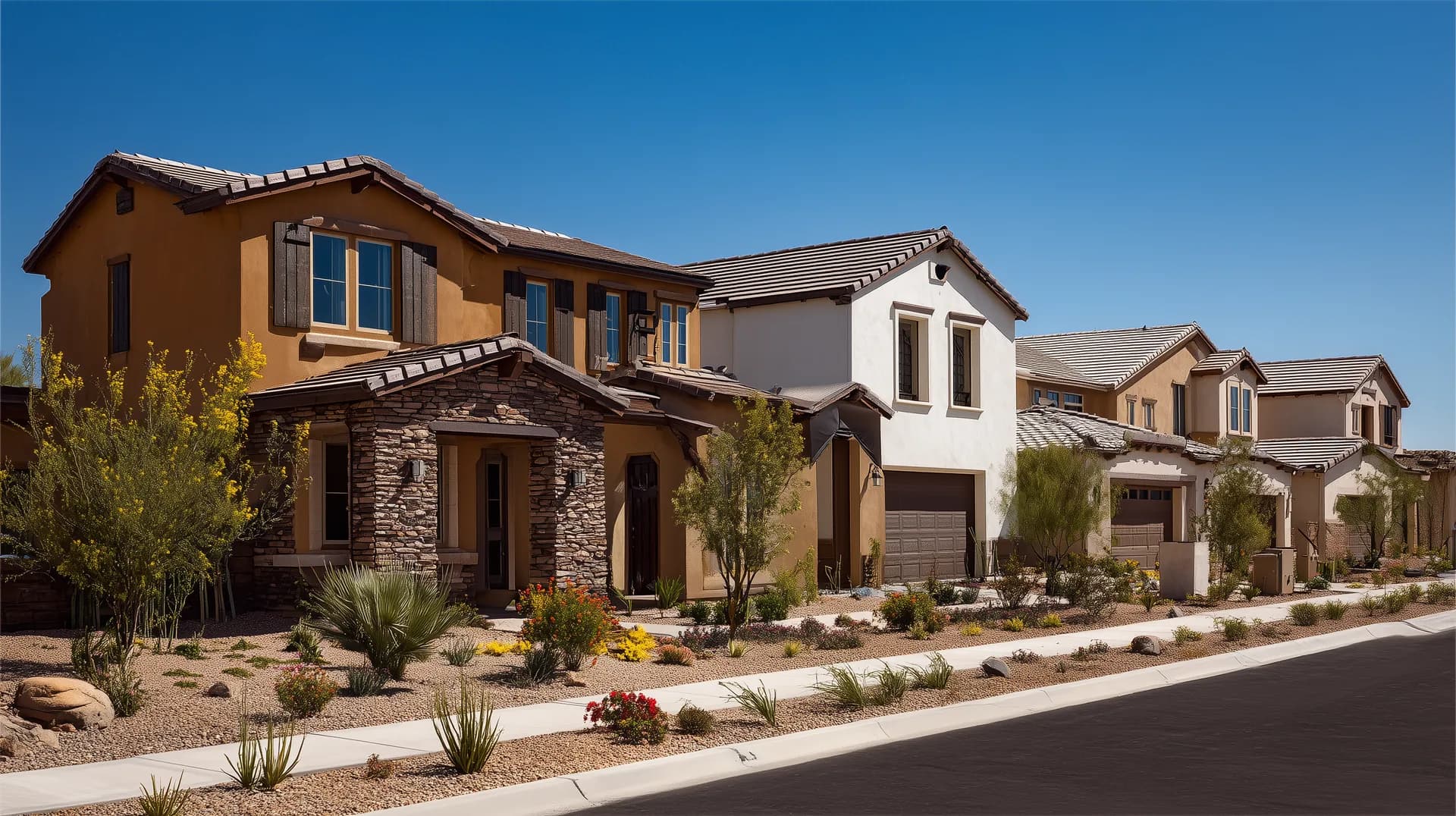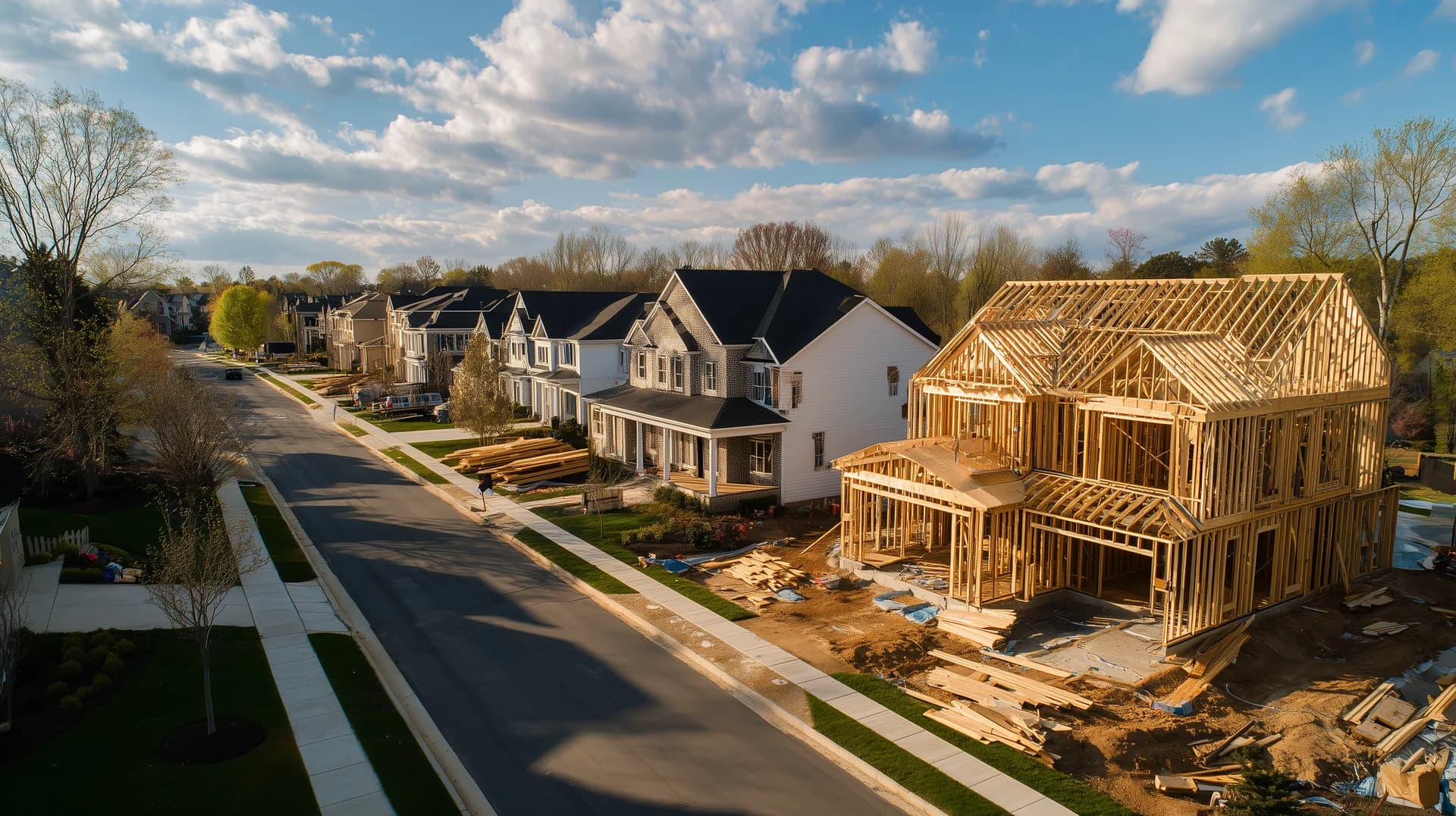
You find a community you love. The model home stops you cold. Then the sales rep hands you a timeline that says "estimated completion: 8 months." Welcome to new construction — same city, completely different game. Here's what changes, and why it matters more than most buyers expect going in.
Timeline
A resale home closes in 30–45 days. A new construction home can take 4–12 months depending on the stage. If you're buying a home that hasn't been started yet ("pre-construction" or "dirt"), you're looking at 6–9 months minimum. Inventory homes — ones already built or nearly complete — can close in 30–60 days, closer to resale.
That timeline difference affects everything downstream: when you give notice on your lease, when you need to lock a mortgage rate, and how much patience the process requires. Most resale buyers aren't prepared for it. Before you start touring communities, get clear on which type of home you're looking for — a build-from-scratch or an inventory home — because the pace of your process depends entirely on that answer.
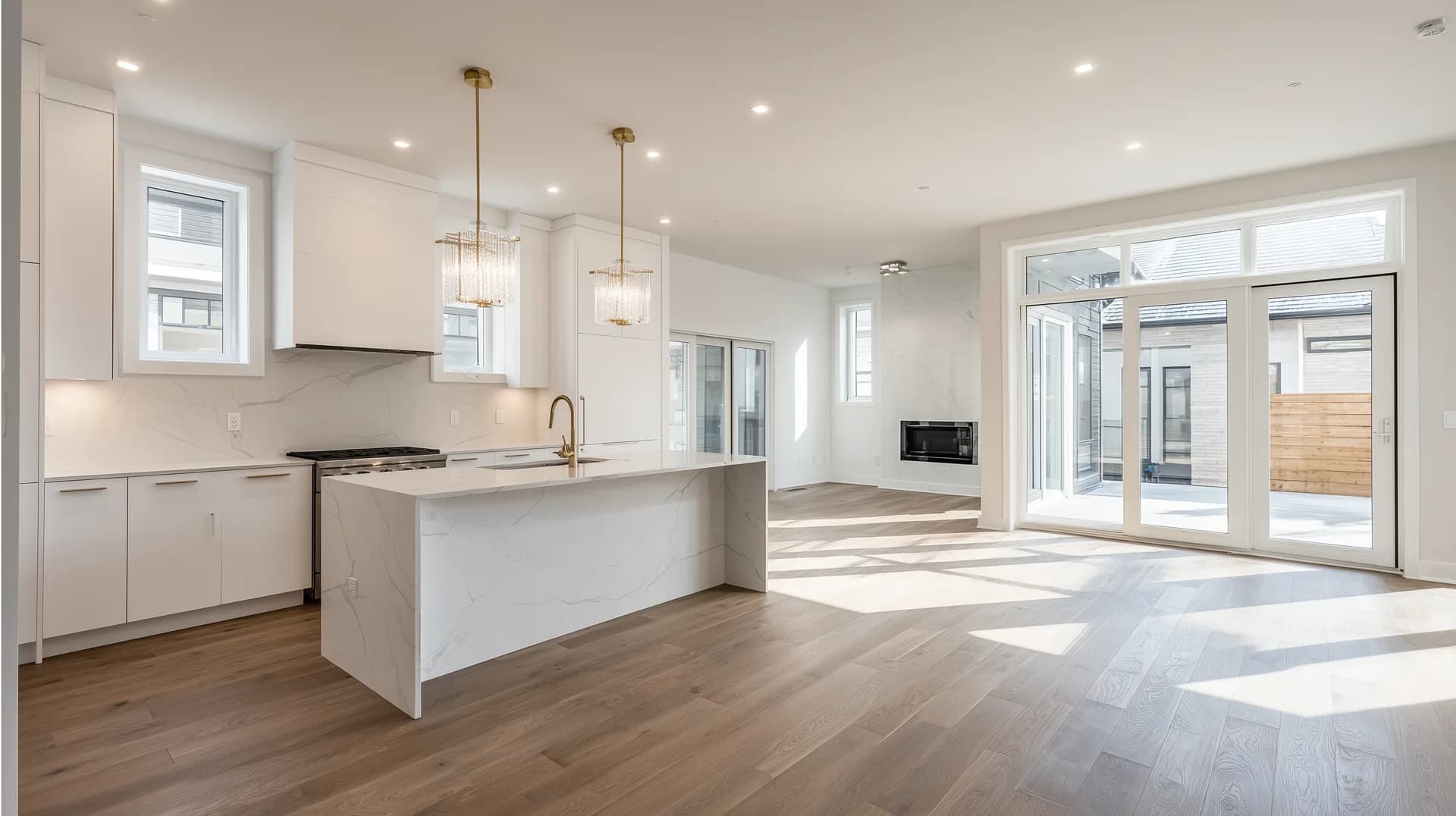
The upside of that wait? You're watching your home get built. You'll visit the lot when it's dirt. You'll see the framing go up. You'll walk through your kitchen before the drywall is in and know exactly where every outlet goes. There's nothing like it in resale.
Negotiation
In resale, you negotiate the price. In new construction, the price is usually the price. Builders rarely drop the base price because it affects the appraised comps for every other home in the community. Instead, they negotiate through incentives — closing cost credits, rate buy-downs, design center allowances, or lot premium waivers.
If you are working with an agent, they need to know how to work within this system. If you are negotiating on your own, focus on asking the sales rep directly about current incentive programs — they change monthly and are often more flexible than the posted price suggests.
The Contract
Resale contracts are typically state-standard forms modified for the specific transaction. Builder purchase agreements are different — they are more detailed because they cover a longer, more complex process. Building a home involves timelines, materials, design selections, and construction milestones that a standard resale contract was never designed for.
A few things to be aware of: builder contracts typically include a construction timeline clause that allows flexibility for weather, materials, and permitting delays. They include a dispute resolution process (usually arbitration) and change order policies that define how and when you can make adjustments after signing. These are all standard provisions designed to manage the realities of construction — every major builder uses them.
Take your time with the paperwork. If you are working with an agent experienced in new construction, they have read hundreds of these and can walk you through each section. If you are buying on your own, a real estate attorney can review it for a few hundred dollars. Either way, understanding your contract is part of the process — and builders expect buyers to ask questions.
The Agent Question
In resale, an agent finds the house. In new construction, you often find the community yourself — or on a site like this one. If you choose to work with an agent, their value is in contract review, negotiation strategy, and process management. A good new construction agent knows which builders are offering the best incentives this month, which communities have the best lots left, and how to read a builder contract.
If you are buying without an agent, you can navigate this process successfully — it just requires more of your time. Either way, there is one rule you must follow: if you are considering working with an agent at all, bring them to your very first visit to any community. Most builders require that your agent be registered on your initial visit to receive credit for representing you. Visit without them and you may permanently lose the ability to bring them in later.
Financing
New construction financing has one complication resale doesn't: the build timeline. Your mortgage rate lock has an expiration date. Most standard rate locks run 30–60 days. A to-be-built home may take 6–9 months, which means you'll need a longer rate lock — or a float-down option — and there's a cost for that extension. Extended locks typically run 0.25–0.5% of the loan amount for additional 60-day increments. The builder's preferred lender often has construction-specific lock products built for this exact problem.
Inspections
An independent inspection is still worth it on a new home. Your builder runs quality checks throughout the build, and the city inspects at every milestone. An independent inspector adds one more set of eyes focused entirely on your home.
Consider two inspections: one during framing before the drywall goes up, and one before closing. The framing inspection lets you see the plumbing, HVAC, and electrical before walls go in. It is typically $300–500 and gives you an extra layer of confidence in your investment.
Warranties
New homes come with a builder warranty — typically 1 year on workmanship, 2 years on mechanical systems, and 10 years on structural. This is a genuine advantage over resale, where you inherit whatever condition the home is in. But read the warranty document carefully. Know what's covered, what's not, and how to file a claim before you need to.
HOA and CDD
Many new construction communities have both an HOA and a Community Development District (CDD) assessment. The CDD funds the community infrastructure — roads, water, sewer, parks, and amenities. It typically adds $100–300 per month to your total costs. Ask the sales rep for the complete monthly obligation early in the process so you can budget accurately.
Here's what nobody tells you about the comparison: once you've been through the new construction process, resale feels small. You walked a lot when it was dirt. You watched the framing go up. You picked every finish in your kitchen. You have a warranty that covers the next decade. Your home was built to the latest energy codes, which means lower utility bills from day one.
The process is longer, more complex, and asks more of you than buying resale. But what you get at the end isn't just a newer house — it's a house that was built for you, exactly the way you wanted it. That's the real difference.