There is no single best builder. There is the best builder for your budget, your timeline, your must-haves, and your tolerance for the unexpected. That distinction matters more than any online review.
Start with this: builders operate on a spectrum. On one end, you have national production builders who construct thousands of homes a year across the country. They offer efficiency, buying power, competitive pricing, and financing incentives that smaller regional builders cannot match. Their processes are systematized, their subcontractor relationships are established, and their warranty departments are built to handle volume. On the other end, you have boutique and semi-custom builders who offer deeper personalization, often with smaller communities, more design flexibility, and more direct communication throughout the process.
Neither approach is better. They serve different buyers.
The Five Things That Actually Matter
First, financial health. A builder who has operated through multiple market cycles and builds consistently is telling you something about their stability. The 2008–2011 downturn wiped out many smaller builders who had overextended. Ask how long the company has been building in your specific market. Ask about their current pipeline of active communities. A national builder with dozens of communities and thousands of units in production annually is not disappearing mid-build. A smaller regional builder may be equally solid — search their local reputation, check how long they've been in business, and look for public records of completed communities.

Second, warranty structure. What exactly do they cover during the first year? What about structural coverage at year ten? Get the warranty document in writing before you sign anything, not after. Some builders self-administer their warranties. Others use third-party warranty administrators — companies that process claims independently. Neither is inherently better, but you should know who you're actually dealing with when you file a claim, because the process differs significantly.
Third, communication style. Visit a completed community and talk to homeowners who have been in their homes for one to two years. Ask how responsive the builder was when questions or issues came up during construction. Ask the one question that tells you everything: "Would you buy from this builder again?" The answers are almost always candid, especially from people who bought a year ago and have now been through the warranty period.
Fourth, standard specifications. Two homes at the same price point from two different builders can include wildly different features. One might include quartz countertops, a tankless water heater, and a structured wiring package as standard. Another might charge extra for all three. Get the standard feature list from every builder you are seriously considering and compare them side by side before you compare prices. A home that costs $10,000 more but includes $15,000 in features the cheaper builder charges extra for is the better deal.
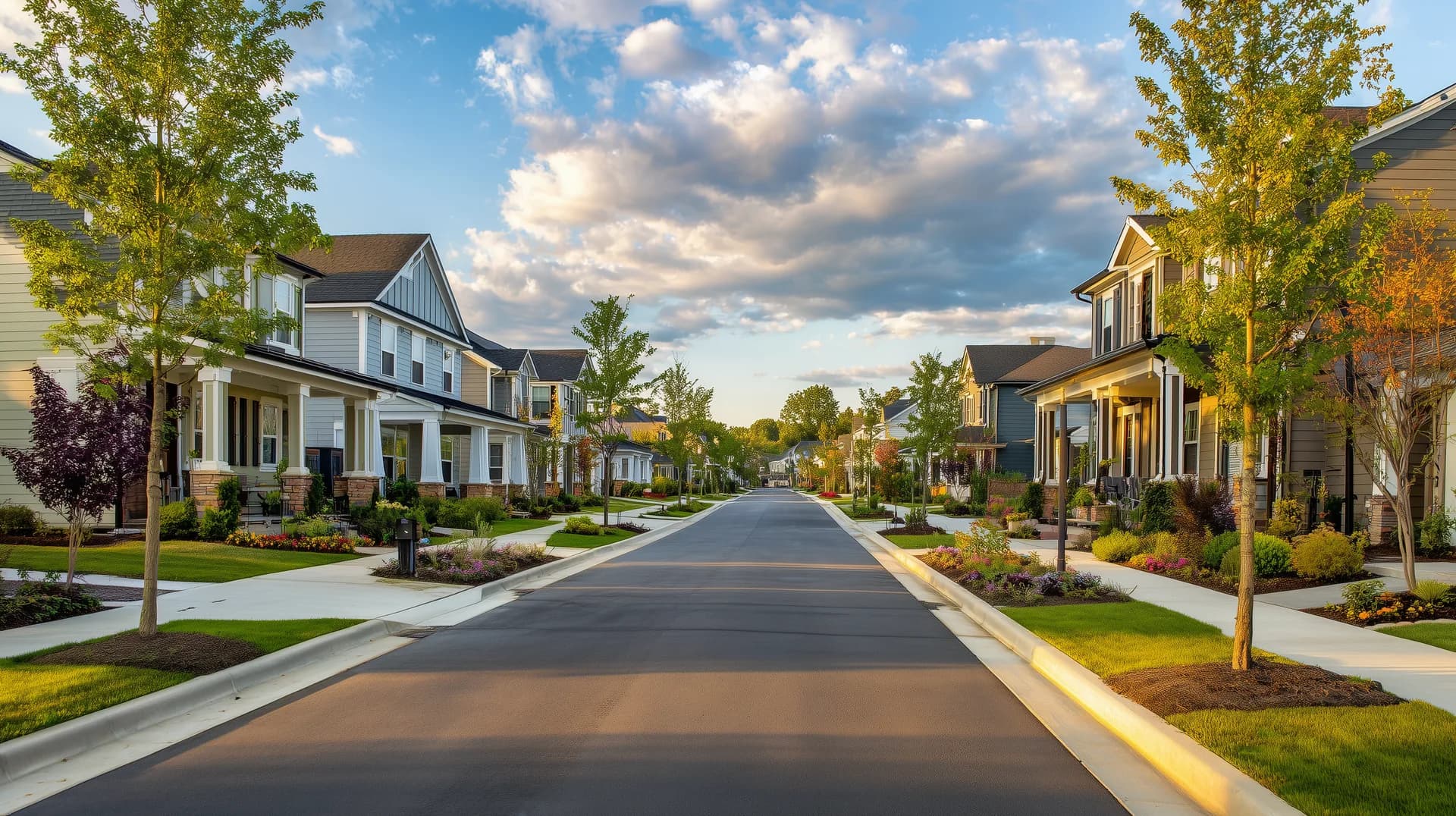
Fifth, community track record. Drive through their completed communities that are three to five years old. How are the homes aging? Is the streetscape maintained? Are the common areas and HOA landscaping in good shape? The quality of a builder's older neighborhoods tells you more about their product than any model home does.
Questions Worth Asking Directly
When you sit down with a builder's sales representative, ask them: How many homes are you building in this community? When do you expect the community to be complete? How many phases remain? What happens if I need a change after I sign the purchase agreement? What is the warranty claim process, step by step?
A sales rep who answers these questions confidently and specifically — without deflecting or saying "we'll figure that out" — is a sign that the builder runs a tight operation. Vague answers to basic process questions are worth paying attention to.
Here Is the Real Secret
Do not tour just one builder. Tour at least three in the same price range and the same general area. Comparison is the fastest way to educate yourself, and it costs nothing but a Saturday.
If you are working with a new construction specialist — a buyer's agent who focuses on new builds — they can compress this learning curve significantly. They already know which builders are running strong incentives right now, which ones have had quality concerns recently, and which communities have lots you have not found yet. If you are doing this research yourself, NewBuilt.com lets you compare builders, browse every model home in your market, and access community details that would otherwise take weeks of Saturday tours to gather.