You served your country. The VA loan is one of the most tangible benefits that service earned you — no down payment, no private mortgage insurance, competitive interest rates. It is the best mortgage product available to anyone, period.
Using it to buy new construction is absolutely doable. Thousands of veterans do it every year. But the process has a few quirks that catch people off guard, and a little preparation makes the whole thing smoother.
The Zero Down Payment Advantage in New Construction
With conventional financing, buyers typically put down 3 to 20 percent. On a $400,000 new build, that is $12,000 to $80,000 in cash you need at closing.
With a VA loan, that number is zero. You still need earnest money at contract (usually $5,000 to $10,000, which gets credited at closing), and you will pay closing costs. But the down payment itself disappears. That is real money that stays in your pocket or goes toward upgrades.
The VA funding fee — a one-time charge ranging from 1.25 to 3.3 percent depending on your service history and down payment — can be rolled into the loan. First-time VA borrowers with no down payment currently pay 2.15 percent. On a $400,000 loan, that is $8,600 added to your balance. It is worth knowing about, but it is not a deal-breaker.
Veterans with service-connected disabilities are exempt from the funding fee entirely.
The VA Appraisal: Where Things Get Interesting
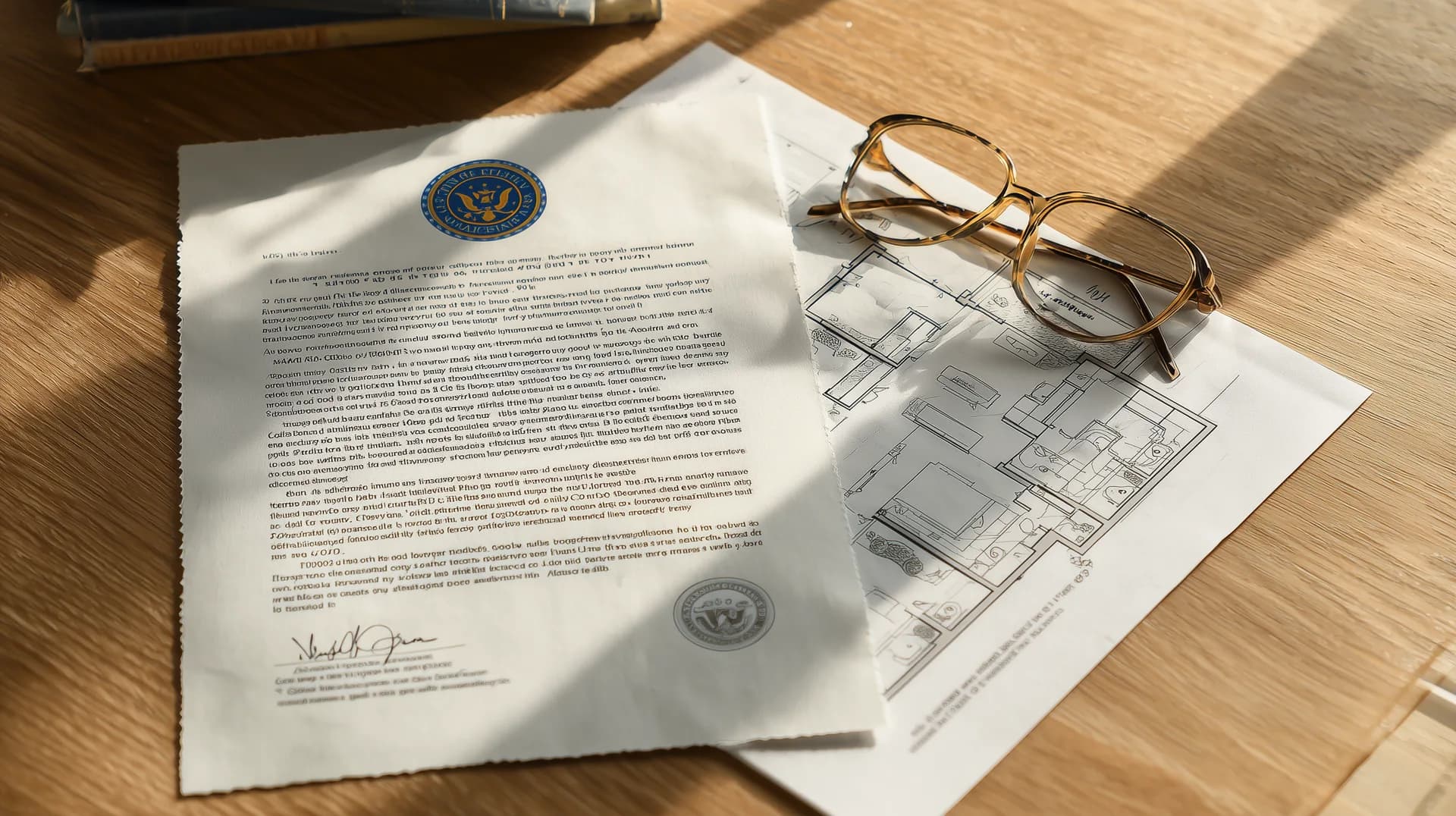
Every VA loan requires a VA appraisal, performed by a VA-assigned appraiser. This is non-negotiable — you cannot shop for a different appraiser or skip the process.
In new construction, the appraisal typically happens after the home is substantially complete. The appraiser evaluates the home against comparable sales and ensures it meets VA Minimum Property Requirements (MPRs). These requirements cover safety, structural soundness, and habitability.
Most new construction homes pass without issues. But here is where it can get tricky: if the appraised value comes in lower than the purchase price, you have a gap. With a VA loan, you cannot roll that gap into the loan. You either negotiate the price down with the builder, pay the difference out of pocket, or walk away.
Builders in competitive markets sometimes resist price reductions because it affects their comparable sales. If you are working with an agent, their negotiation skill matters here. If you are handling this yourself, be prepared to ask the builder for alternative concessions — closing cost credits, upgrade allowances, or lot premium reductions — that do not affect the recorded sale price.
Builder Experience with VA Loans Matters
Not all builders handle VA loans equally well. The paperwork is different, the timeline can be longer, and the appraisal process has its own requirements. Builders who regularly work with VA buyers know the process, build the extra time into their schedules, and do not panic when the VA appraiser shows up with a different checklist than a conventional appraiser.

Ask the sales rep directly: "How many VA closings has this community done in the past year?" If the answer is a blank stare, that is useful information.
Builders who work with VA loans frequently often have preferred lenders experienced in VA financing. Using the builder's preferred lender is not required, but if that lender has a strong VA department, it can simplify coordination between the builder, the lender, and the VA.
VA-Specific Pitfalls in New Construction
Rate locks are the big one. VA loans can take longer to close than conventional loans, and new construction timelines are inherently unpredictable. If your rate lock expires before closing, you will either pay an extension fee or re-lock at whatever the current rate is.
Talk to your lender about extended rate lock options. Some lenders offer locks up to 12 months for new construction, though these come with a cost — usually a slightly higher rate or an upfront fee.
Termite inspections are required for VA loans in most states. New construction might seem exempt because the home is brand new, but the VA still requires the inspection. Make sure this is on someone's checklist before closing week.
The VA also requires the home to be move-in ready at closing. That means no "we will finish the landscaping next week" or "the garage door opener will be installed on Monday." If the punch list is not done, the VA appraiser can hold up closing.

Using VA Entitlement Wisely
If you have used your VA loan benefit before, you may have reduced entitlement available. You can restore full entitlement by paying off the previous VA loan, and in some cases you can use remaining entitlement for a second VA loan — though the math gets complicated.
Talk to a lender who specializes in VA loans, not one who occasionally processes them. The difference in expertise is significant.
Making It Work
The VA loan is a genuine competitive advantage in new construction. Zero down means you can often afford a better floor plan, a better lot, or more meaningful upgrades than a conventional buyer at the same income level.
Browse builders and floor plans at NewBuilt.com, then bring your VA pre-approval to the sales office. If you choose to work with an agent, look for one who understands VA transactions — it makes the coordination smoother. If you are going it alone, make sure your lender has deep VA experience, because the lender relationship is where the real expertise matters on a VA deal.
You earned this benefit. Use it well.