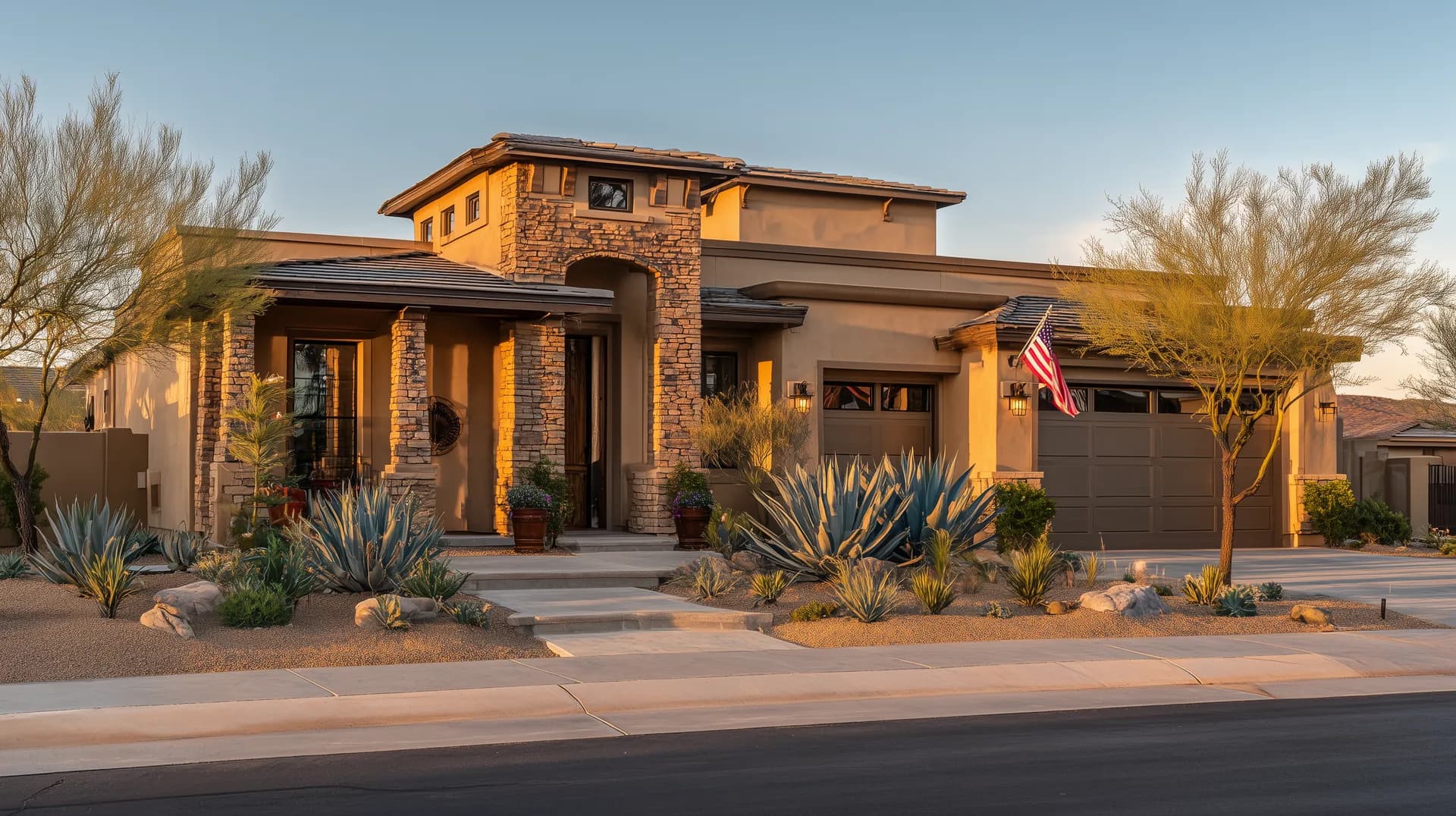
You sit down with a mortgage calculator, type in the purchase price, put in your down payment, and it spits out a monthly number. That number feels doable. You could swing that. You start shopping.
That number is incomplete. Not intentionally — it just only tells part of the story. The monthly cost of owning a new construction home includes at least six line items beyond principal and interest, and most of them do not show up until after you have closed.
Let us build the real number, line by line, so you know exactly what you are signing up for.
Principal and Interest: The Number Everyone Knows
This is your mortgage payment. On a $400,000 home with 5 percent down ($380,000 loan) at a 6.5 percent rate over 30 years, your principal and interest payment is approximately $2,402 per month.
That is the number the calculator shows you. That is the number you will see on most listing pages. That is the number that makes you think, "I can do this."
Keep reading.
Property Taxes: The Number That Changes
In most states, property taxes on new construction start low because the county initially assesses the land value, not the completed home. That first tax bill feels like a gift.
Then the reassessment comes, typically in year two. For a $400,000 home in Maricopa County, Arizona, expect annual property taxes around $3,600 to $4,400 after reassessment. That is $300 to $367 per month.
In Texas, where there is no state income tax, property taxes are higher — often 2 to 2.5 percent of assessed value. On a $400,000 home, that is $8,000 to $10,000 per year, or $667 to $833 per month. That alone can make or break your budget.
Homeowner's Insurance: Rising Faster Than You Think
Insurance on new construction is typically lower than on older homes — newer roofs, updated electrical, current building codes. But "lower" does not mean "low."
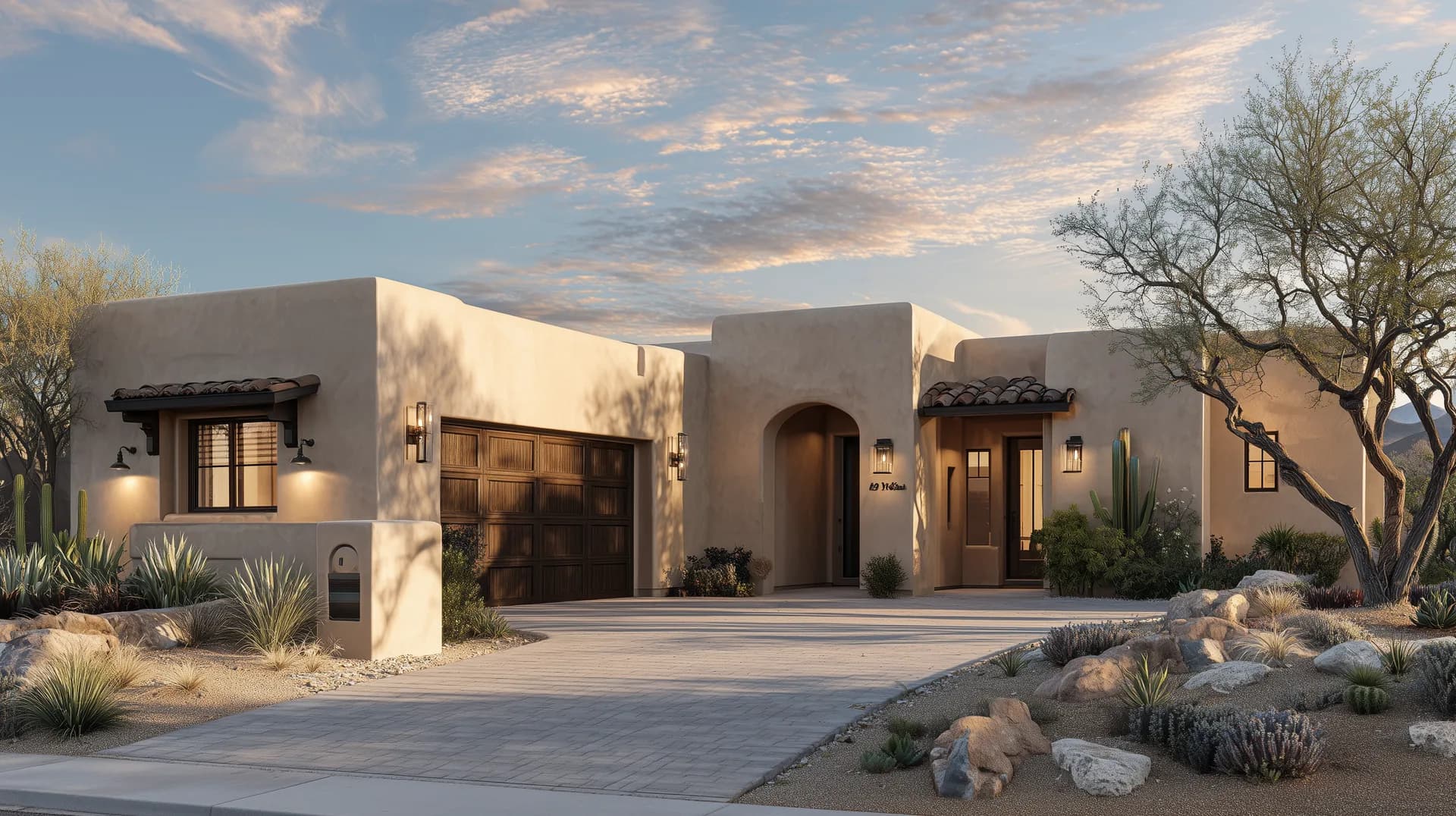
Expect $150 to $300 per month depending on your location, coverage level, and whether you are in a flood zone, wildfire area, or hurricane-prone region. Insurance costs have been rising 10 to 20 percent annually in many markets. Budget for the trajectory, not just today's quote.
HOA Fees: The Predictable Unknown
Most new construction communities have HOA fees ranging from $50 to $300 per month. Master-planned communities with resort-style amenities often exceed $250.
Remember: the fee you see at contract signing is often subsidized by the builder. Budget for a 15 to 25 percent increase within the first two to three years.
We will call it $175 per month for our example — a mid-range community with a pool and basic common area maintenance.
CDD or Special Assessments: The Hidden Layer
If your community has a Community Development District, you are paying an additional annual assessment — typically $1,500 to $4,000 — that shows up on your tax bill. That is $125 to $333 per month on top of everything else.
Not every community has a CDD, but many new communities do, especially in Arizona, Florida, and Texas. Ask before you sign. This number does not go away.
Utilities: Where New Construction Saves You Money
Here is the good news. New construction homes are significantly more energy-efficient than homes built even ten years ago. Better insulation, low-E windows, high-efficiency HVAC systems, and tight building envelopes translate to real savings.
A new 2,000-square-foot home in Phoenix might run $200 to $280 per month in utilities (electric, gas, water, sewer, trash). A comparable older home could easily run $300 to $400.
That $100 per month savings is real and it compounds over time. It is one of the genuine financial advantages of buying new.
Maintenance Reserve: The Budget Line Nobody Creates
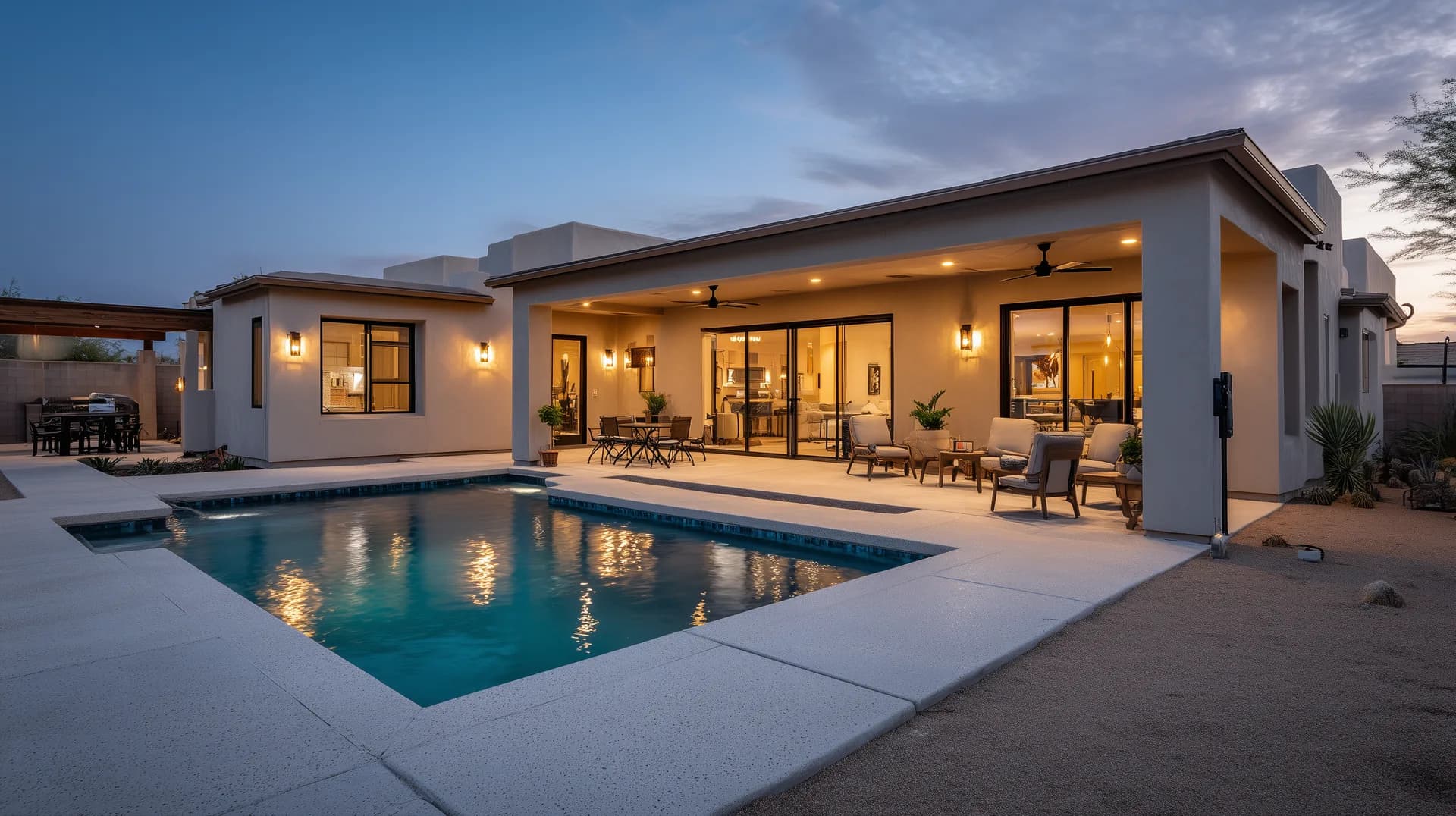
New homes break less. That is true. But they do not break never.
Your builder warranty covers most issues in year one, mechanical systems for two years, and structural for ten. After that, things start needing attention. Water heaters last 8 to 12 years. HVAC systems last 15 to 20. Exterior paint needs refreshing every 5 to 7 years in harsh climates.
Even during the warranty period, there are costs the warranty does not cover: air filters every three months, pest control, drip system maintenance, lightbulbs, a toilet flapper that wears out.
Budget $100 to $200 per month into a maintenance reserve. You will not spend it every month, but when the HVAC needs a capacitor in July, you will be glad it is there.
The Full Picture
Let us add it up for our $400,000 example:
Principal and interest: $2,402. Property taxes: $350. Insurance: $200. HOA: $175. CDD: $200. Utilities: $240. Maintenance reserve: $150.
Total: approximately $3,717 per month.
The mortgage calculator said $2,402. The real cost is $3,717. That is a 55 percent increase over the number most buyers use to decide they can "afford" a home.
The Distinction That Matters
"I can afford the mortgage" and "I can afford the home" are two completely different statements. The first one gets you approved. The second one determines whether you are comfortable or stressed for the next thirty years.
Run the full numbers before you fall in love with a floor plan. If you are working with an agent, they can help you estimate the community-specific costs — HOA, CDD, tax projections. If you are doing this yourself, ask the builder's sales rep directly for the HOA fee schedule, CDD assessment, and estimated post-reassessment property tax. These numbers are available — you just have to ask for them. Either way, make sure you are working with real numbers, not optimistic ones.
If the full monthly cost leaves room for groceries, car payments, savings, and the occasional dinner out, you have found the right price point. If it does not, there is no shame in looking at a smaller plan or a different community. The right home is the one you can afford to enjoy living in.