When people say they are buying a new construction home, they could mean three very different things. Understanding which path you are on changes everything — your timeline, your budget, your stress level, and how much you can customize.
Move-In Ready: Spec and Inventory Homes
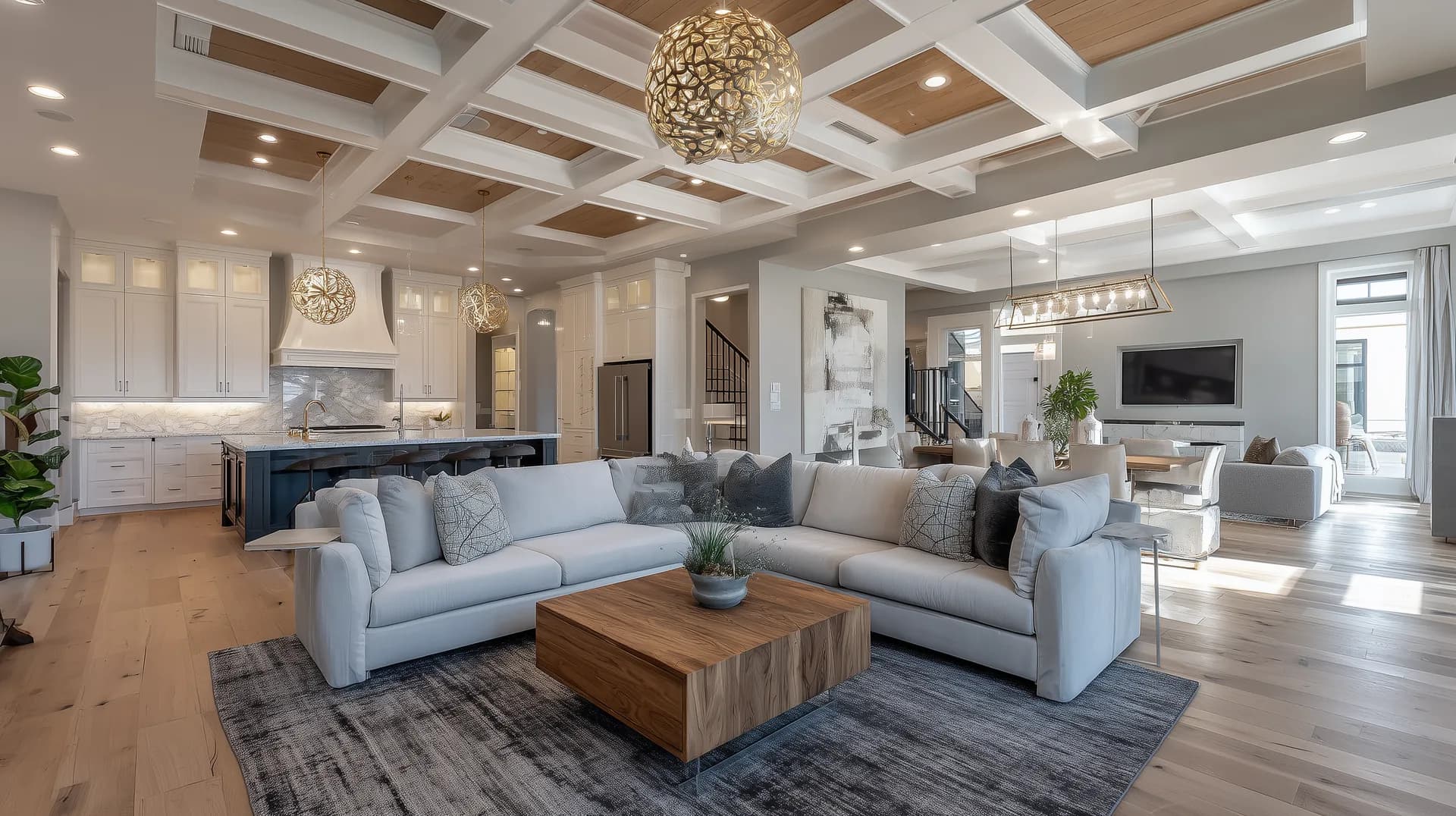
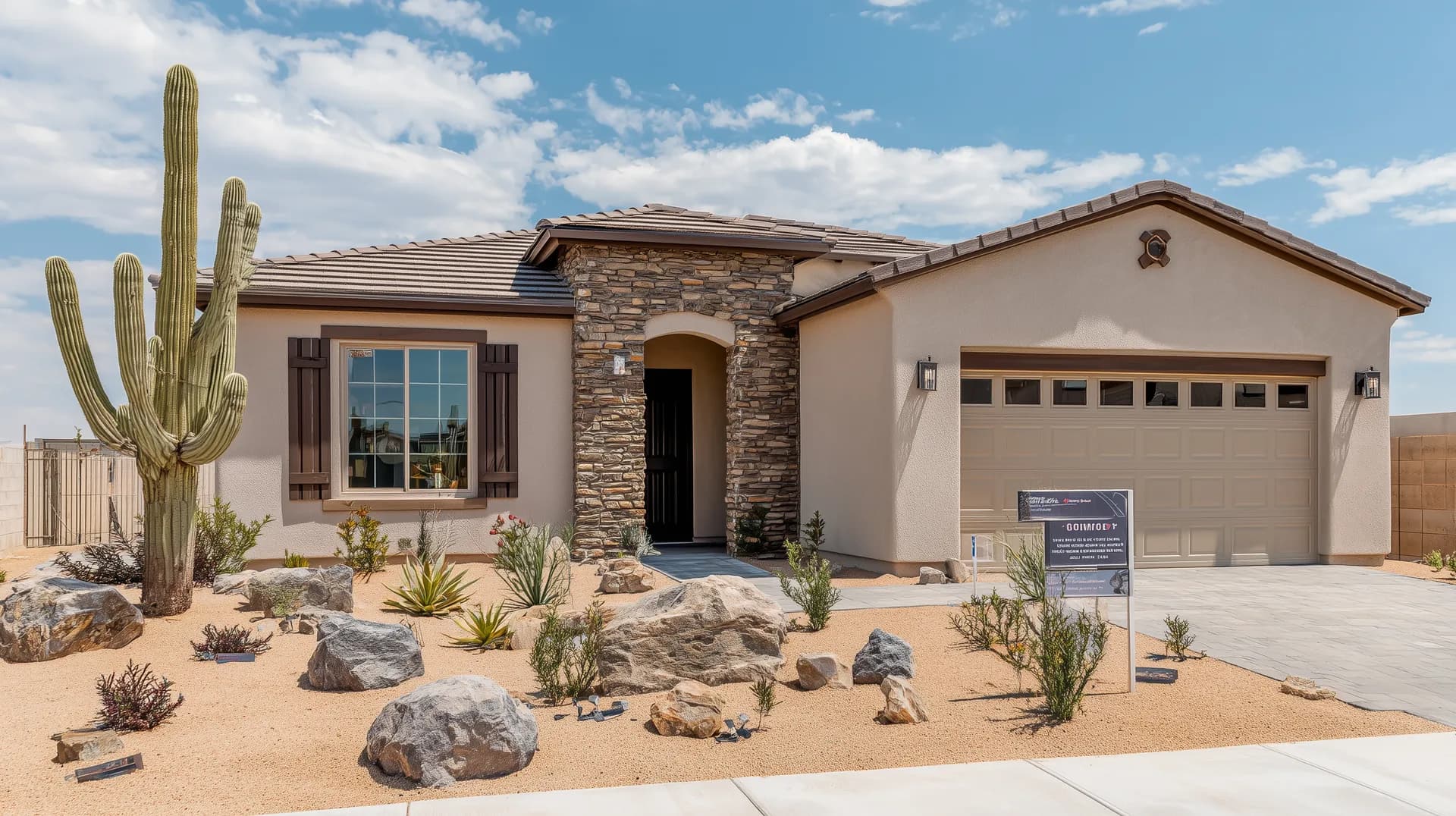
A spec or inventory home is already built or nearly finished. The builder chose the lot, the floor plan, and most or all of the finishes. You are buying what exists. Walk through it today, close in thirty to sixty days.
The advantages are speed and certainty. You can see exactly what you are getting before you commit. There are no construction delays, no design center appointments, and no waiting through six months of framing and inspections. If you need to be in a home quickly — end of lease, job relocation, school year timing — inventory homes are often the answer.
The trade-off is limited or no customization. The finishes are already selected. You may not get your preferred flooring or countertop color. The lot may not be the one you would have chosen. What you see is what you get, and the only negotiation happens on price and incentives — not on the product itself.
One thing worth knowing: inventory homes often carry the strongest incentives in a community. Builders have real carrying costs on finished homes — interest, insurance, and maintenance accumulate every month a completed house sits unsold. That cost pressure can work in your favor. Builders are often willing to offer rate buydowns, substantial closing cost credits, and appliance packages on inventory homes that they would not offer on a to-be-built contract.
To-Be-Built: Building from a Floor Plan
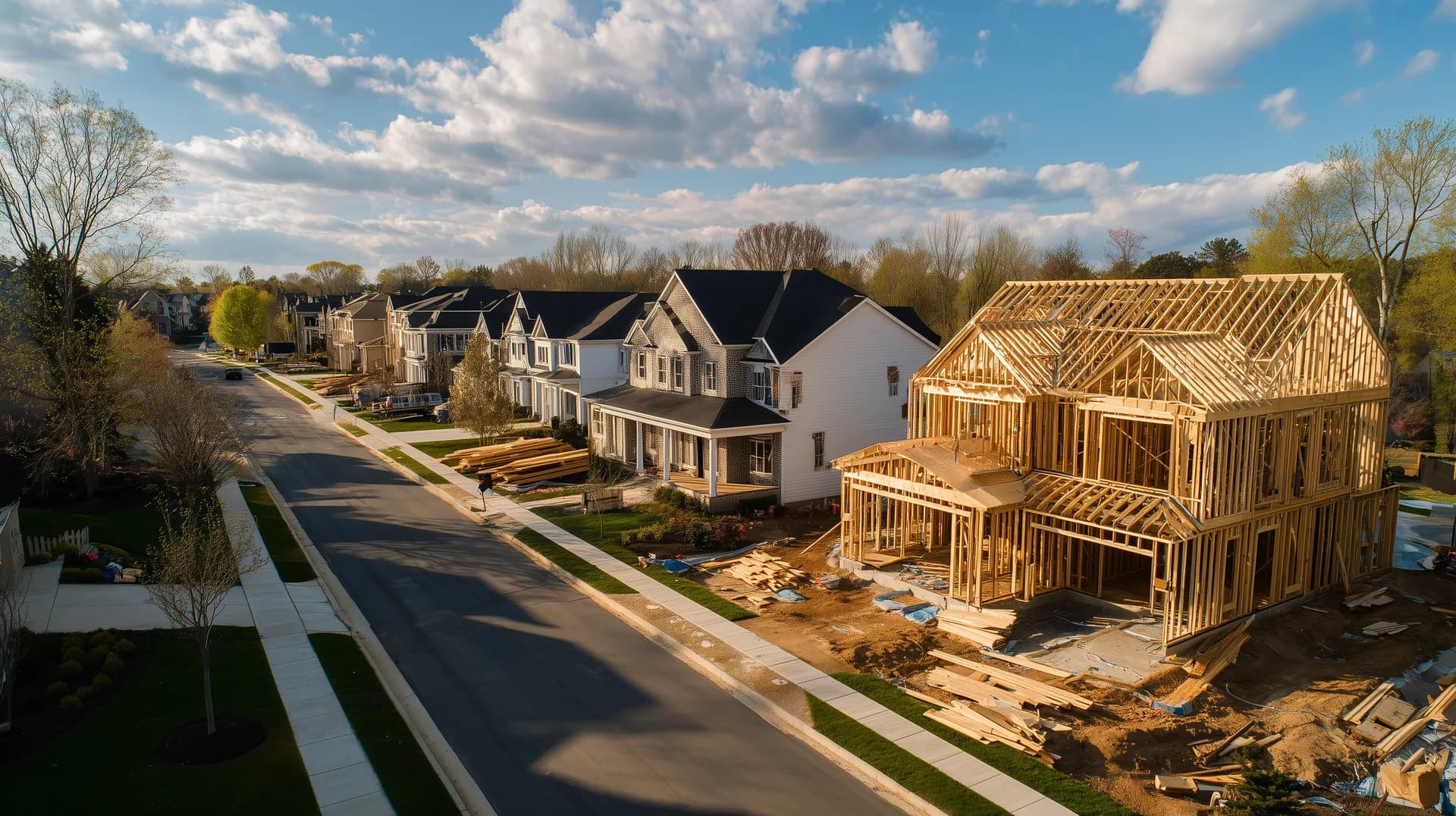
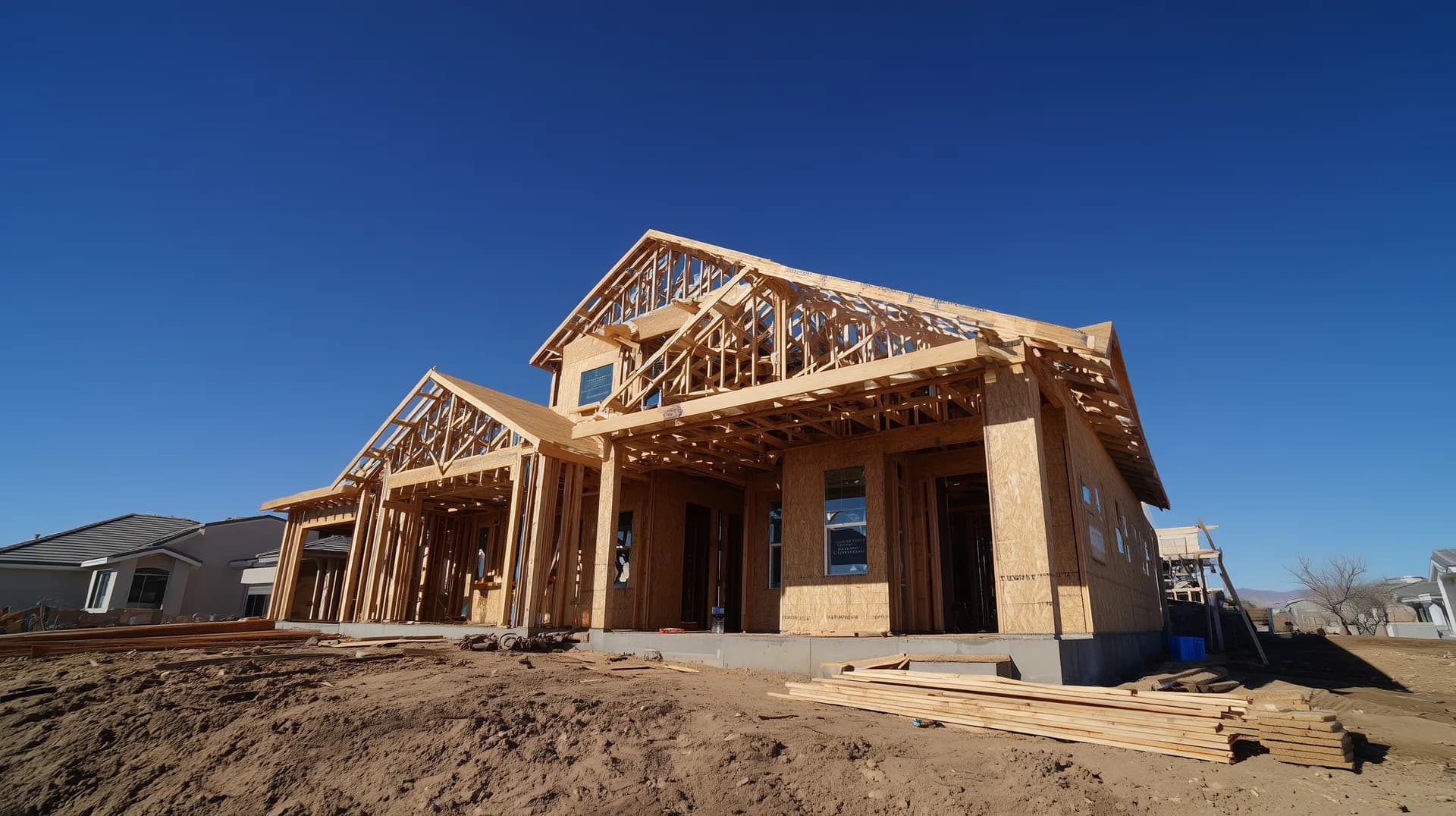
A to-be-built or pre-sale home starts from a floor plan in the builder's portfolio. You choose your lot from the available plat map, select your floor plan, and make your finish choices at the design center. The builder then constructs your home over the next six to ten months, sometimes longer depending on the market and the builder's production pipeline.
You get more personalization — your countertop, your tile, your cabinet color. You can also make structural selections that inventory buyers cannot: room additions, extended patios, bonus rooms, and lot premiums. The to-be-built path gives you the most control over what you end up with.
The trade-off is uncertainty and time. Construction timelines shift. Material delays happen. A completion date of "eight months from contract" can become ten or eleven. Your rate lock has to cover that window, which adds cost. You also live with your design center choices — a finish you loved in the showroom may feel different once you live with it for a year.

Custom: Starting from Scratch
A true custom home is designed from the ground up — your architect, your land, your specifications. This is the most flexible option and typically the most expensive. Timelines often stretch beyond a year, and budgets require a contingency cushion of at least ten to fifteen percent because custom builds almost always encounter surprises. Site conditions, material availability, and scope changes are unpredictable in ways that production builds are not.
Most first-time new construction buyers land between the first two options. Custom builds are typically for buyers who have already owned homes, have a specific vision, have the time and resources to manage the process, and understand what they are taking on.
Which Path Is Right for You
Ask yourself: How much time do I have? How important is personalization versus certainty? Do I have specific design requirements, or am I primarily focused on getting into a well-built home in the right location?
If speed and certainty matter most, look at inventory. If personalization and specific finishes matter most, go to-be-built and plan for the timeline. If the exact home does not exist yet and you have the resources to build it from scratch, explore custom.
There is no wrong answer. But knowing which lane you are in before you start shopping saves you from comparing timelines and price points that are never meant to be compared — and from feeling overwhelmed by options that were never designed for your situation.