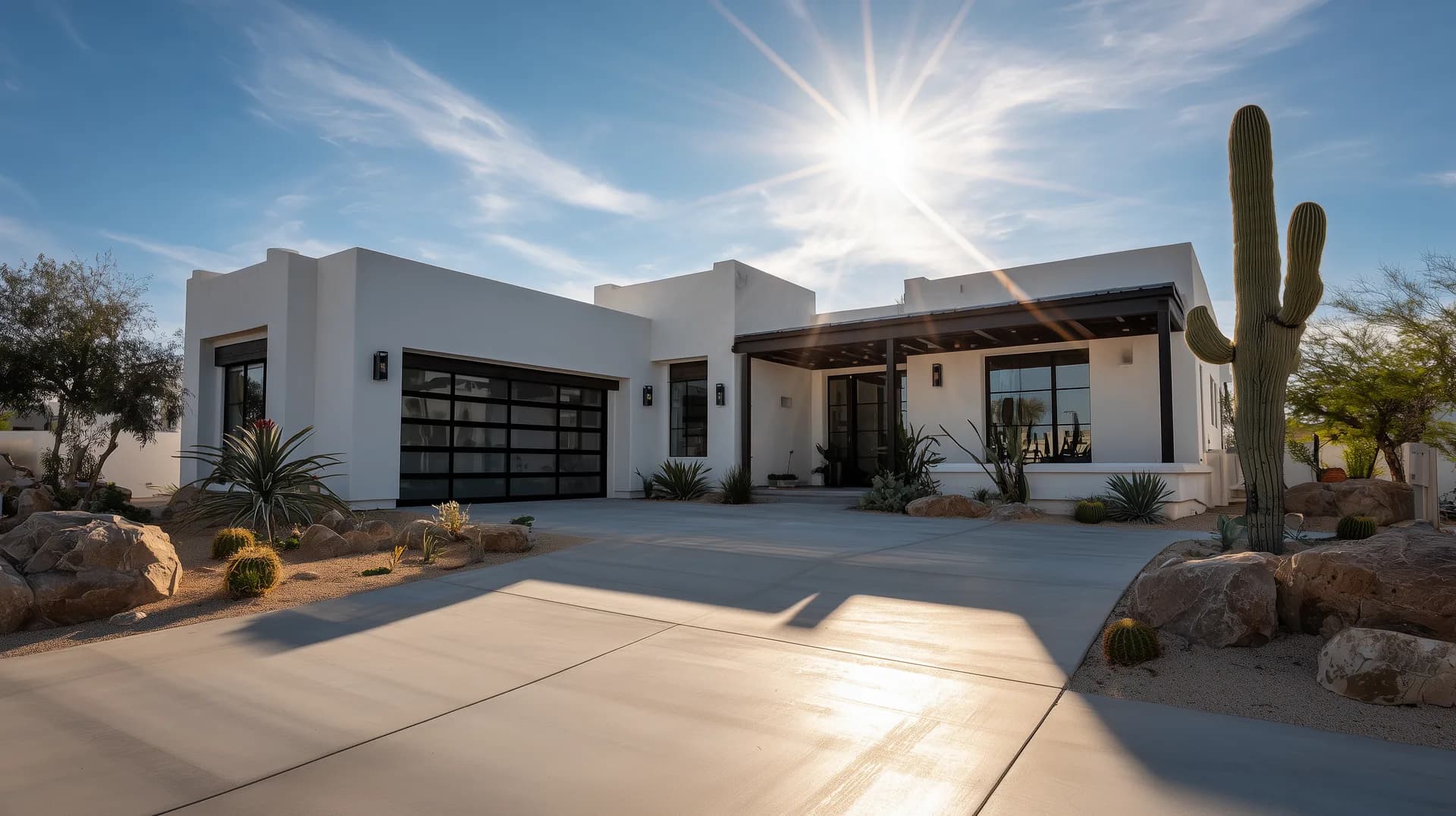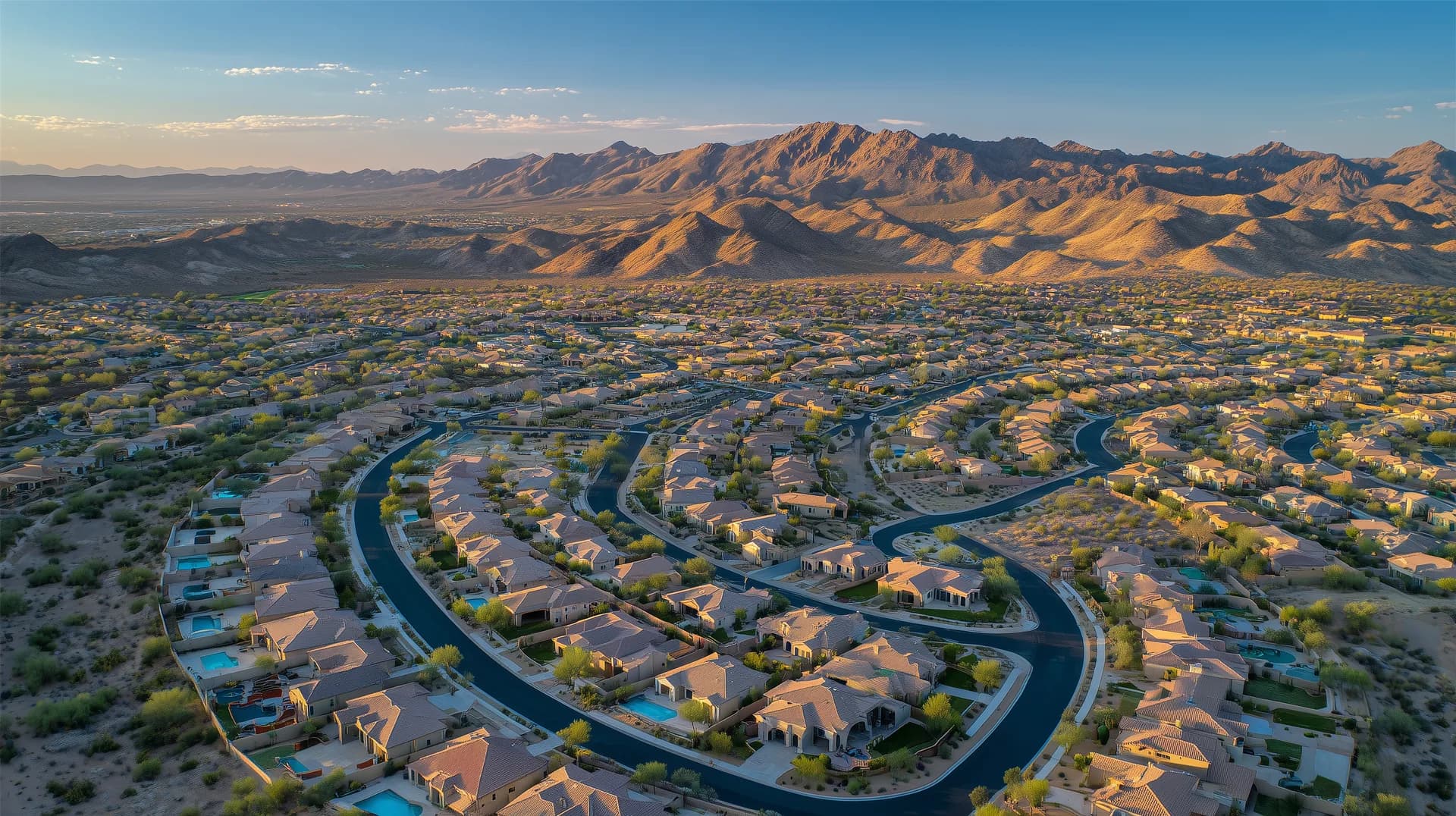
Phoenix is one of the new construction capitals of the Southwest. In recent years it has consistently ranked among the top metros for new home building permits alongside Houston and Dallas. If you are considering a new build in the Valley, you are in good company — and in a market with more options, more builders, and more active communities than almost anywhere else in the country.
But building in the Valley comes with a specific set of considerations that buyers moving from cooler or wetter climates may not anticipate. Here is what actually matters.
The Heat Shapes Everything
Builders in Phoenix design homes with energy efficiency as a baseline, not as an upgrade. You will commonly find Low-E windows that filter infrared heat without dimming natural light, radiant barrier roof decking that reflects heat away from the attic, high-SEER-rated HVAC systems, and insulation packages that exceed minimum code requirements. These features are not luxury additions — they are survival features in a climate where summer temperatures regularly exceed 110 degrees and attic temperatures can reach 150 or higher.
Pay close attention to which efficiency features are standard with each builder and which are upgrade charges. Two builders at the same price point can offer meaningfully different energy performance. The difference between a standard 14-SEER system and an upgraded 18-SEER system can translate to $50–100 per month in summer energy bills — over ten years, that adds up to more than the upgrade cost.
Water Matters
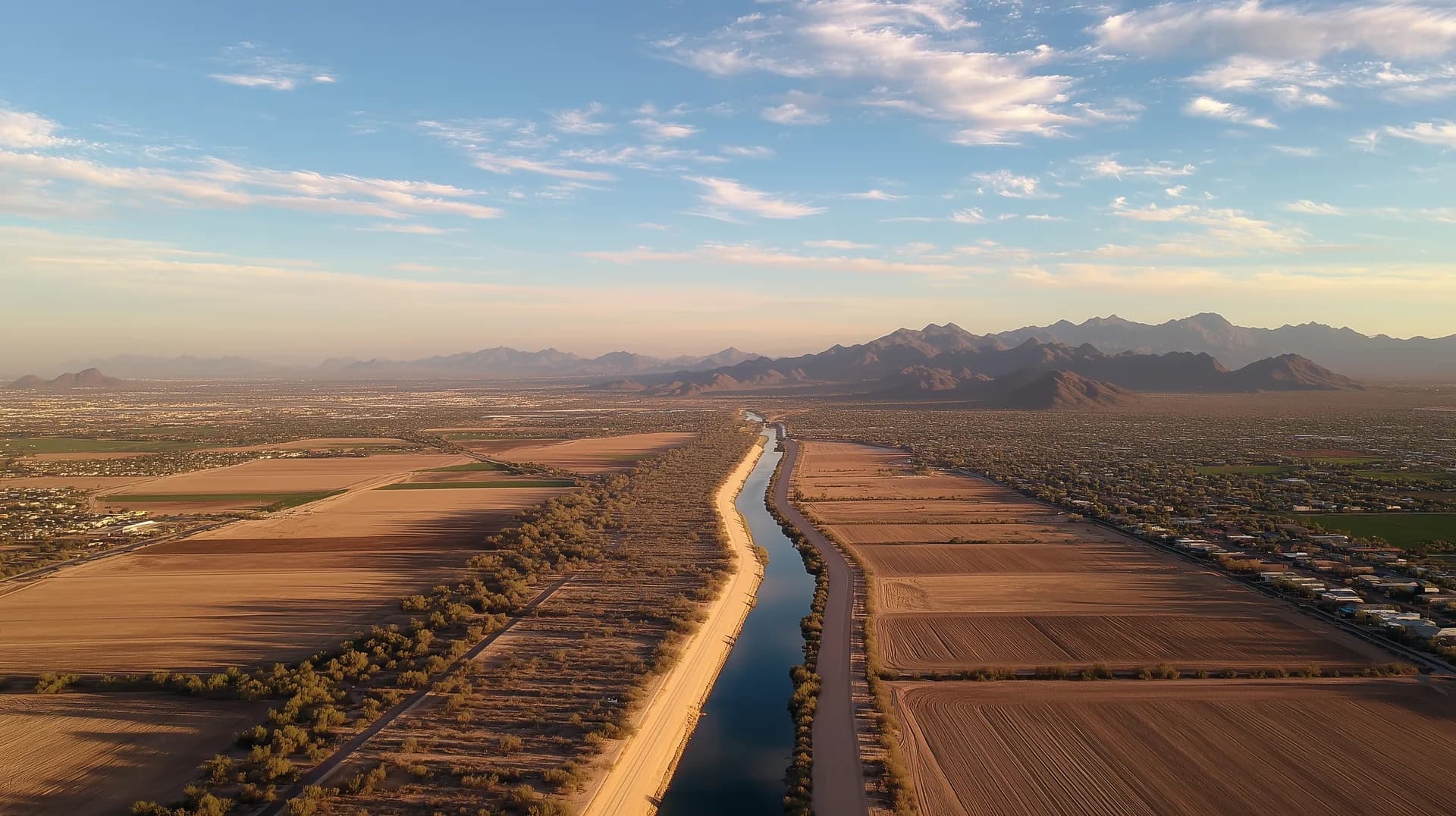
Phoenix draws from a combination of Colorado River surface water, local groundwater, and reclaimed water. Long-term water supply is a real planning consideration for new development, and state law requires that new communities demonstrate a 100-year assured water supply before receiving development approval. This requirement — in place since 1980 — means that legitimate new construction communities have already cleared the water supply bar. It does not mean water is unlimited or that conservation is unnecessary, but it does mean your builder has met the legal threshold.
It is worth asking which utility provider serves your community and whether the builder includes water-efficient fixtures and drought-adapted landscaping as standard. Desert-adapted front yard packages — decomposed granite, drip-irrigated native plants — cost less to maintain and consume far less water than turf. Some builders include them; others offer them as an upgrade or leave the landscaping entirely to you.
Outdoor Living Space Is Not Optional
The months between October and April in the Phoenix metro are spectacular. Evenings in March and October are among the most pleasant weather experiences anywhere in the country, and residents who have good covered outdoor space use it constantly during those months.
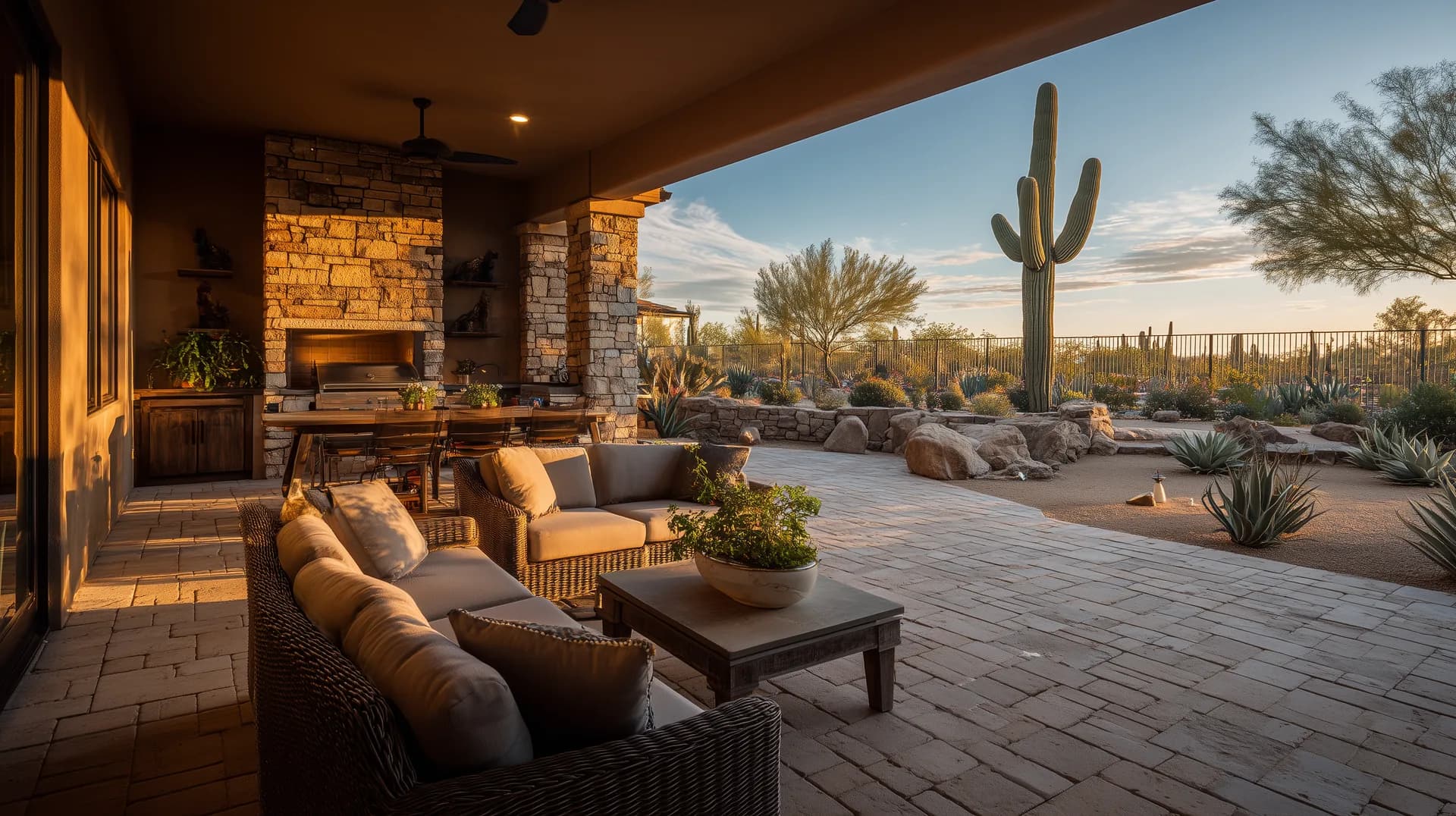
How much usable outdoor space your floor plan provides — covered patios, courtyards, extended lanai areas — directly affects your quality of life in Phoenix. Some builders include generous covered patio space as a standard feature. Others charge significant premium pricing for even a modest extension. Ask about covered patio square footage early in the process, before you have chosen a floor plan, because structural outdoor options cannot be added after construction.
Know Your Lot Orientation
A home that faces west in Phoenix takes the full afternoon sun on its main facade, which heats the walls and drives up cooling costs significantly. Many experienced Phoenix buyers specifically prioritize lots with east or north-facing backyards, which stay comfortable in the afternoon shade. A north-facing backyard in Phoenix can extend your usable outdoor season by weeks compared to a west-facing yard.
If you are working with an agent, they can help you evaluate lot orientation during community tours. If you are touring on your own, use a compass app on your phone and check the community site map — it takes a few seconds and can save you measurably in energy costs and comfort for the life of the home.
The Current Market
Inventory levels in the Valley have been rising, and builders are offering competitive incentive packages across most communities. For buyers, this means real negotiating leverage — particularly on completed inventory homes where builders want to move standing product quickly. Communities in areas like Queen Creek, San Tan Valley, Buckeye, Peoria, and the northwest Valley continue to see strong development activity with a range of price points.
Phoenix rewards informed buyers. The desert is beautiful, the growth is real, and the opportunities across the Valley are strong. The buyers who do best are the ones who understand the climate-specific factors before they sit down at the sales table.