Closing day is the finish line everyone talks about. And then you wake up the next morning in a brand-new home, and the real work begins.
The first ninety days of homeownership in a new construction home are unlike anything a resale buyer experiences. The house is literally still curing. Materials are still moving. Here is what to expect and how to handle it.
Settling Cracks and Nail Pops
Small cracks may appear in drywall — especially around corners, door frames, and where walls meet ceilings. This is normal. It happens because lumber and concrete continue to cure and shift for months after construction is complete. It does not mean your builder made mistakes. Most builders schedule a touch-up visit at the sixty or ninety-day mark specifically to address settling cosmetics. Nail pops — small bumps where drywall nails push through the surface — are also normal and are part of the same process.
Your job: photograph everything as it appears and keep a running document. Do not call your builder after every crack. Compile your list, then submit it at the scheduled touch-up window. This is how the warranty process is designed to work, and builders respond to organized, documented lists much more efficiently than to individual calls.
HVAC Balancing
Your HVAC system may not feel perfect right away. Ductwork in a new home needs time to balance, and you may notice that some rooms run warmer or cooler than others during the first weeks. This is common, especially in larger open-concept floor plans. Report it in writing to your builder's customer care team — include which rooms feel off and by how much. Most builders will send their HVAC contractor to adjust dampers, check airflow at each register, and verify that the system is operating within spec.
In Phoenix, this matters more than in most markets. Your HVAC system will be tested hard in June and July. If you close in spring, use the mild months to identify any balancing issues before the system faces its first real workload.
Drainage and Grading
After your first rainstorms, walk the perimeter of your home and your yard. Pay attention to where water collects. If you notice standing water within a few feet of your foundation, or pooling in low spots in your yard that does not drain within twenty-four hours, document it with photos and timestamps and contact your builder. Lot drainage and grading are typically covered under your builder warranty, and drainage problems are significantly easier and less expensive to correct before you have landscaping, concrete, or fencing in place.
Warranty Manual and Deadlines
Read your warranty manual during the first week. It is dry reading, but it contains the submission windows that control your coverage. Most builders have specific periods for warranty claims — often at thirty days, sixty days, one year, and sometimes two years. Missing the correct submission window does not automatically void your coverage, but it creates complications. Mark every deadline in your calendar with a reminder one week before.

Register your appliances during the first week as well. Most manufacturers require registration within thirty to sixty days of installation to activate the full warranty — and the clock started at the builder's installation date, not your closing date. Keep a digital folder with model numbers, serial numbers, and registration confirmation emails. This takes thirty minutes and can save hundreds of dollars.
Your Community Is Still Under Construction
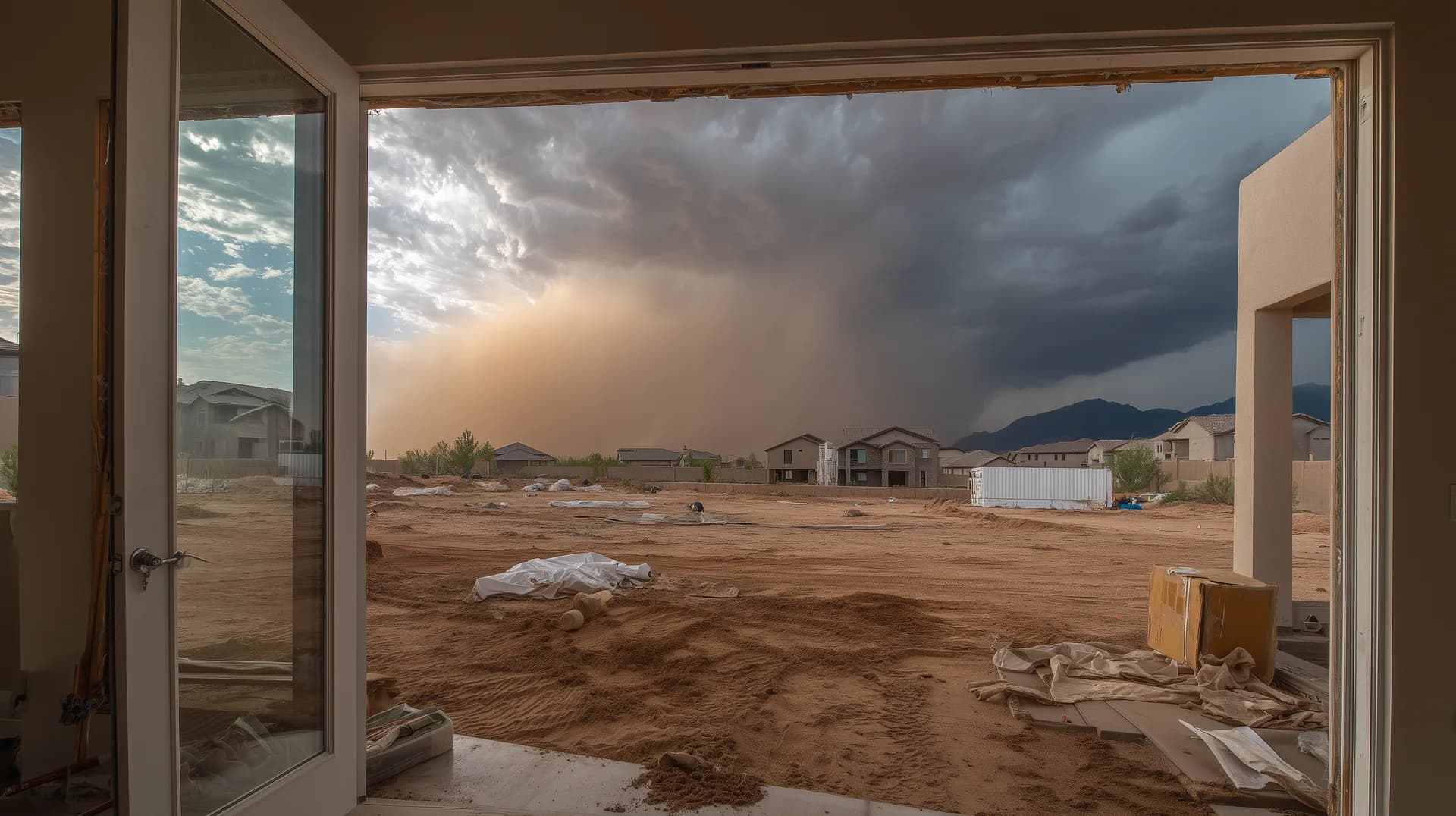
One more thing that catches people off guard: the neighborhood around you may be a construction zone for another one to three years. New phases break ground, streets get extended, common areas get built out. You may have construction traffic using your street, early morning noise, and dust that settles on everything parked outside. This is temporary. The neighborhood you bought into will be significantly better in two years than it is today. It just takes time, and it helps to know it is coming.
The first ninety days are not about everything being perfect. They are about paying attention, documenting what matters, and building a relationship with your builder's warranty team that will serve you well for years.